
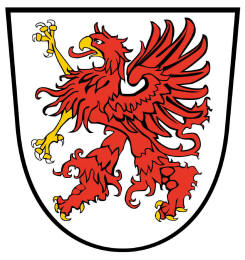
According to the figures presented here, 1,762,000 people fled or were expelled from Pomerania, of whom 330,000 died.
Before the war, 1,956,000 Germans lived in 2,314 settlements in the province.
Major cities:
Stettin, Arnswalde, Belgard, Bütow, Deutsch-Krone, Köslin, Kolberg, Lauenburg, Neustettin, Schlawe, Schlochau, Schneidemühl, Stargard, Stolp and Swinemünde
Pomerania during peacetime
Pomerania in a nutshell
Administrative capital: Stettin
Area: 30,120 km²
Population: 1,684,125 (1905)
Counties: Stettin, Stralsund, Köslin
Pomerania covered an area larger than Belgium.
The province of Pomerania was enlarged considerably in 1938:
The district around Driesen was transferred from Brandenburg to Pomerania.
The area around Schneidemühl was transferred from Posen-West Prussia to Pomerania.
The district around Schlochau, formerly part of West Prussia, was likewise assigned to Pomerania.
Since 1945, the River Oder has formed part of the border between the German and Polish sections of historical Pomerania.
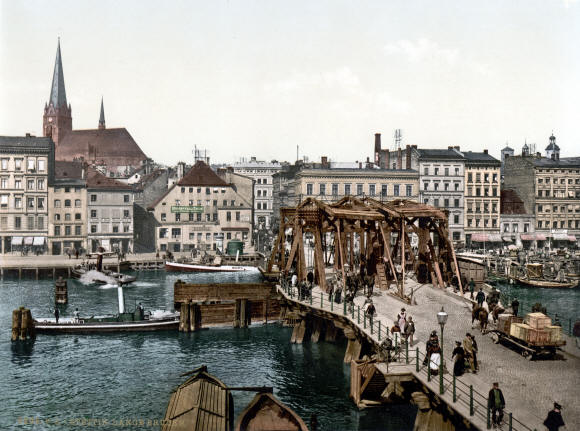
Stettin
History of Pomerania
c. 1200 BC — Settlement by Germanic tribes, including the Vandals.
5th century AD — During the Migration Period, the Vandals moved southwards and other peoples settled in the region.
975 — The Piast dynasty extended Polish rule into Pomerania.
1164 — Henry the Lion, Duke of Saxony, became feudal overlord of Pomerania.
1185 — Pomerania came under Danish rule; in 1227 Danish control ended and the region again formed part of the Holy Roman Empire.
1625 — During the Thirty Years’ War, Pomerania was repeatedly plundered by imperial and Swedish forces.
1630 — Swedish forces occupied large parts of Pomerania.
1648 — Under the Peace of Westphalia, Pomerania was divided between Brandenburg in the east (Hinterpommern) and Sweden in the west (Vorpommern).
1721 — After the Great Northern War, the southern part of Swedish Pomerania passed to Prussia.
1815 — The remaining northern part of Western Pomerania, including Rügen, also became Prussian.
1945 — Through flight and expulsion, 1,432,000 German Pomeranians lost their homeland.
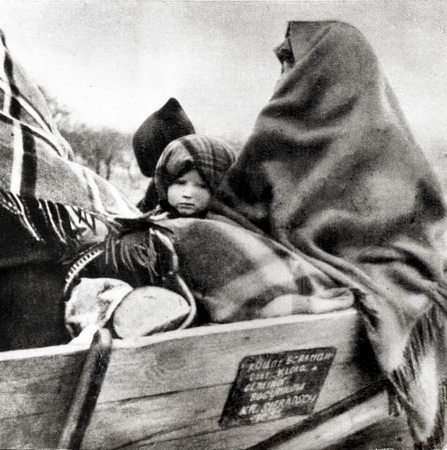
Flight and expulsion
Like East Prussia, Pomerania was cut off from the rest of Germany as Red Army armoured formations advanced north-westwards towards the Baltic. One of the remaining escape routes led along the coast towards the Hanseatic port of Kolberg. As Soviet forces drew closer and reports of violence spread, the local authorities issued emergency instructions, including an order on 7 March 1945 allowing pharmacies to provide poison to women without a prescription.
From March to May 1945, thousands of civilians died while fleeing the advancing Red Army.
Some were caught in crossfire, killed by shelling, overrun by tanks or attacked by low-flying aircraft.
In occupied areas, the collapse of civil order was accompanied by looting, shootings, abductions and sexual violence.
In total, about 1.4 million Germans were expelled from Pomerania under extremely harsh conditions.
330,000 dead
Notable people from Pomerania
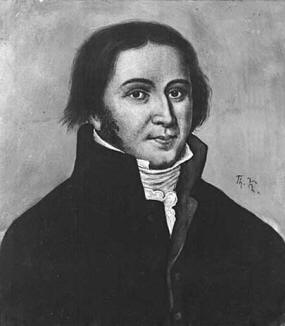
Ernst Moritz Arndt — Schoritz (Rügen), 1769-1860, writer and politician
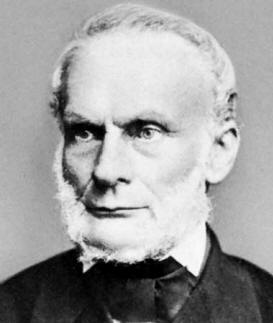
Rudolf Clausius — Köslin, 1822-1888, physicist
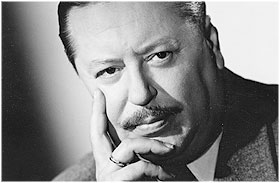
Paul Dahlke — Groß Streitz, 1904–1984, actor
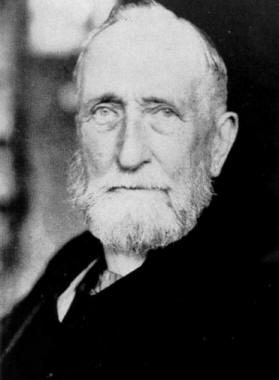
Hans Delbrück — Bergen a. R., 1848-1929, historian
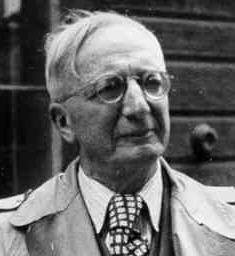
Alfred Döblin — Stettin, 1878-1957, writer
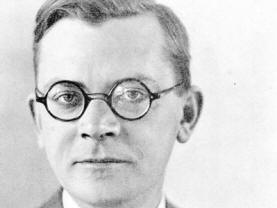
Hans Fallada — Greifswald, 1893-1947, writer
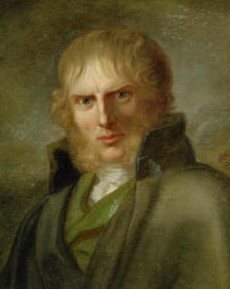
Caspar David Friedrich — Greifswald, 1774-1840, painter
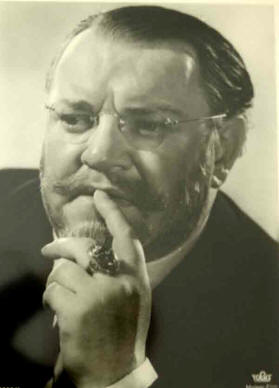
Heinrich George — Stettin, 1893-1946, actor
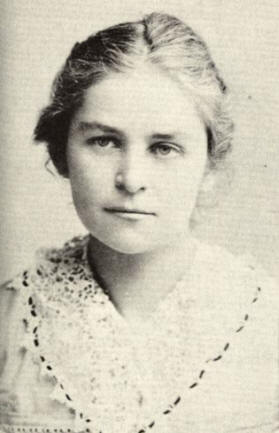
Hedwig Lachmann — Stolp, 1865-1918, poet and writer
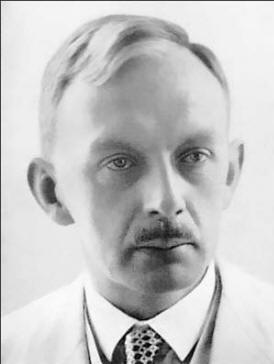
Fritz Lenz — Pflugrade, 1887-1976, human geneticist
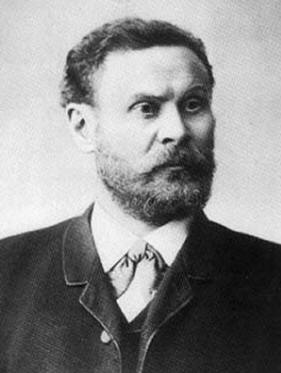
Otto Lilienthal — Anklam, 1849–1896, engineer and aviation pioneer
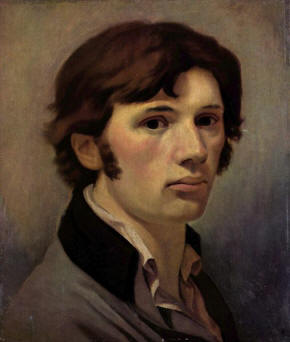
Philipp Otto Runge — Wolgast, 1777-1810, painter
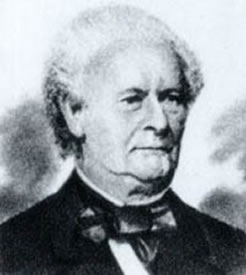
Christian Friedrich Scherenberg — Stettin, 1798-1881, poet
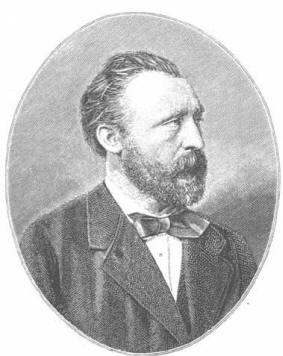
Heinrich von Stephan — Stolp, 1831-1897, member of the Prussian state council
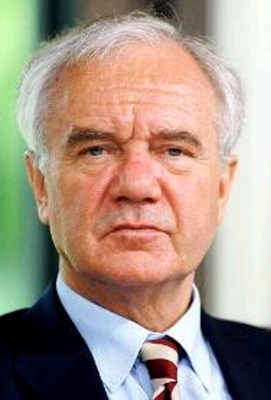
Manfred Stolpe — Stettin, 1936-2019, politician
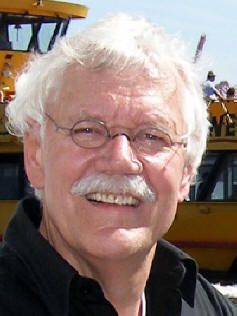
Carlo von Tiedemann — Stargard, born 1943, actor and television presenter
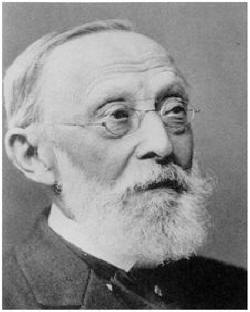
Rudolf Virchow — Schivelbein, 1821–1902, physician, pathologist and anthropologist
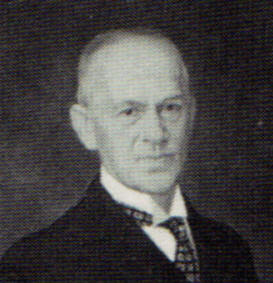
Georg Wertheim — Stralsund, 1856-1939, entrepreneur
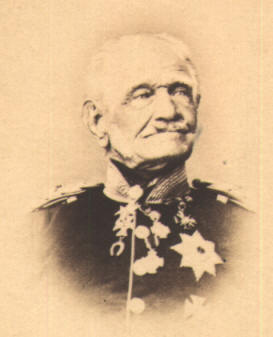
Count Friedrich von Wrangel — Stettin, 1784-1877, field marshal
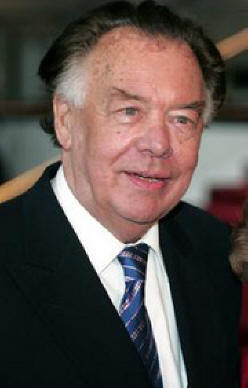
Klausjürgen Wussow — Cammin, 1929-2007, actor