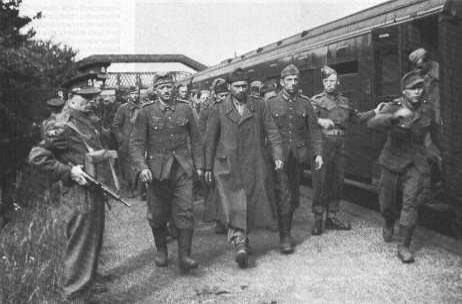
In the early phase of the war, very few German soldiers entered British captivity apart from a small number of airmen who had been shot down.
With the start of the German air offensive, their number had risen to approximately 4,000 by the end of 1940.
From 1941 onwards, Britain transferred German prisoners of war throughout the Commonwealth.
Outside Great Britain, the largest detention camps were established in Canada, Australia, the Middle East and North Africa.
Although only about 2,000 German prisoners were held in Great Britain in March 1944, the situation changed dramatically after the Normandy landings in June 1944.
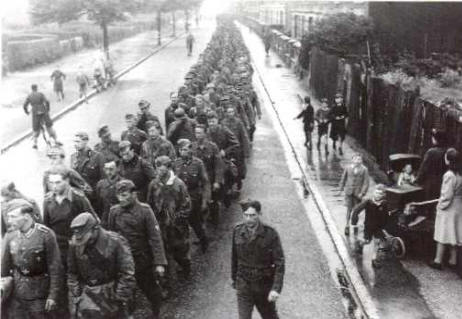
By the end of 1944, around 140,000 prisoners were being held in the British Isles in 380 large camps and some 1,500 smaller satellite camps.
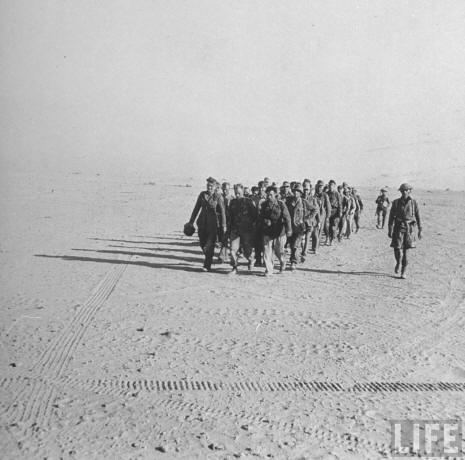
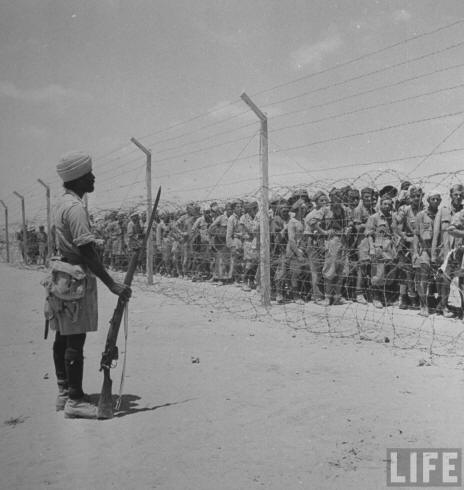
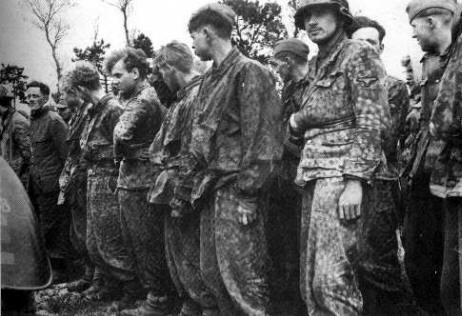
After passing through temporary holding centres, prisoners from the Afrika Korps were held at Helwan near Cairo and in camps around the Bitter Lakes between Suez and Ismailia.
These were vast sandy compounds enclosed by barbed wire and divided into smaller sections. Prisoners lived in tents exposed to extreme heat, subsisted on meagre rations and endured insects, mice and rats.
From these desert camps, prisoners were transferred to many parts of the world.
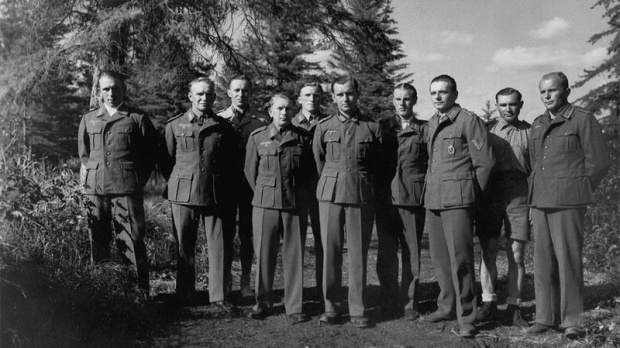
Canada played a particularly important role, holding more than 12,000 prisoners by 1942.
Many prisoners were concentrated in the large Ozada tent camp at the foot of the Rocky Mountains.
German POWs in Egypt
German POWs in England
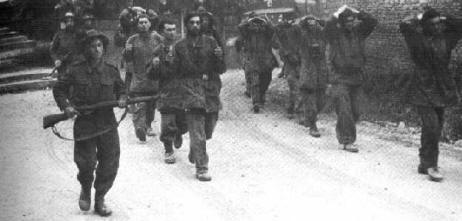
German POWs in Canada