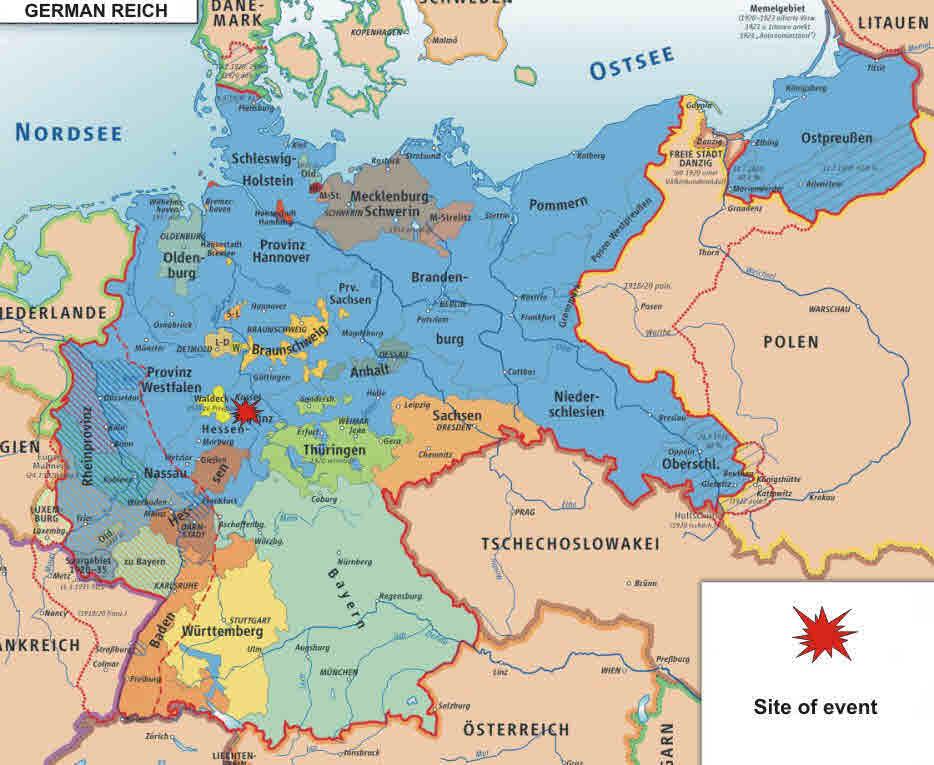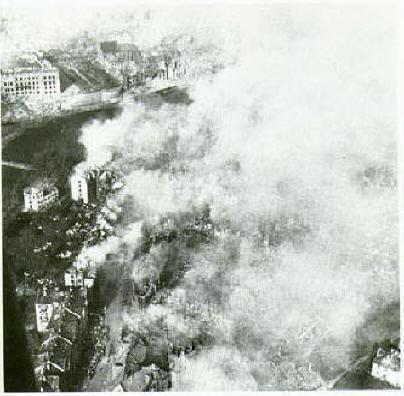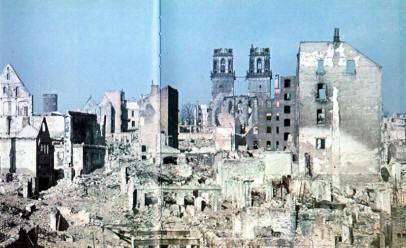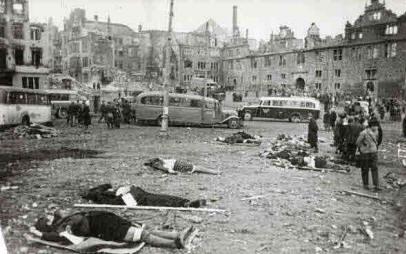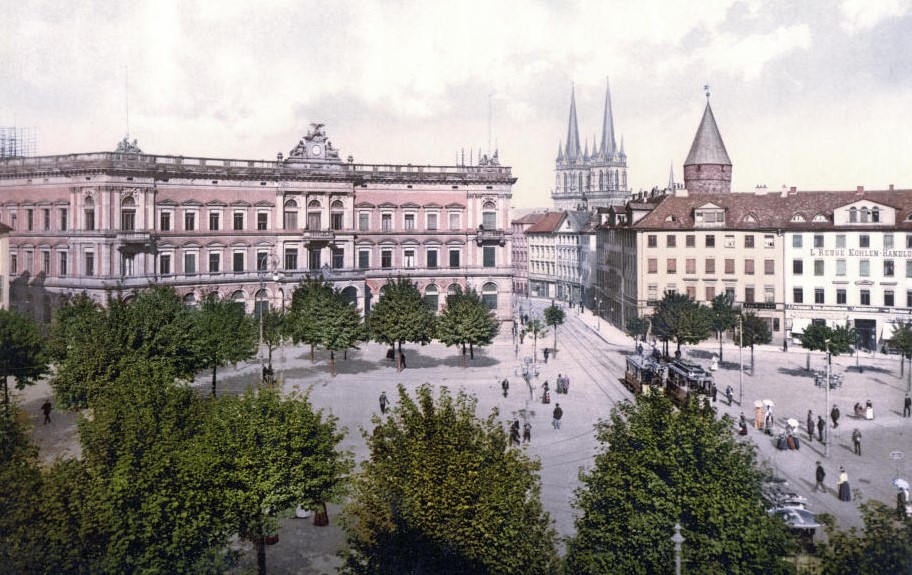
Kassel became a major bombing target because of its extensive industrial facilities, including the Fieseler aircraft works, armaments factories and locomotive workshops.
The city was attacked repeatedly, particularly on:
9 September 1941
27/28 August 1942
4 October 1943
22/23 October 1943
22 September 1944
2 October 1944
Compared with many other cities, Kassel suffered heavy raids from an early stage.
One particularly destructive raid involved 569 aircraft and more than four million incendiary bombs according to the figures cited here.
The major raids of 4 and 22 October 1943 dropped a combined total of about 3,500 tons of bombs.
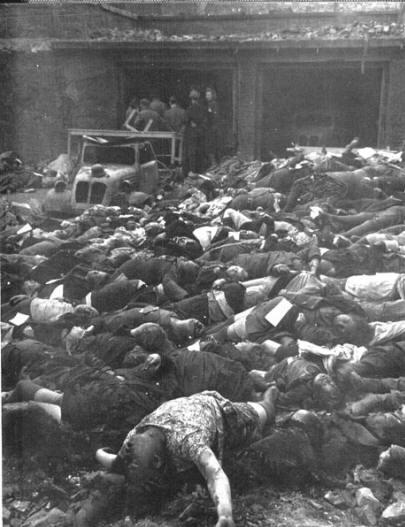
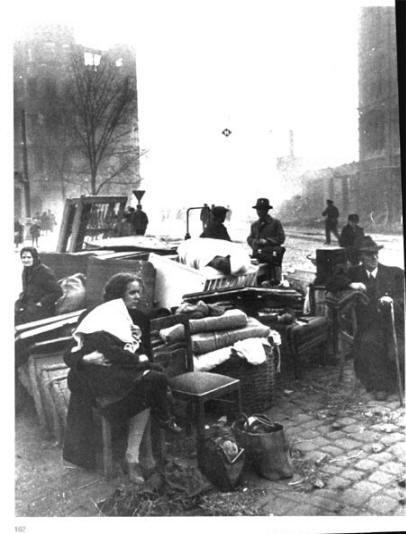
The enormous firestorm virtually destroyed the entire city centre, much of which consisted of half-timbered houses. One in ten residents of the city perished.
13,000 dead
Further raids on 22 September and 2 October 1944 dropped around 3,000 tons of bombs on the already devastated city.
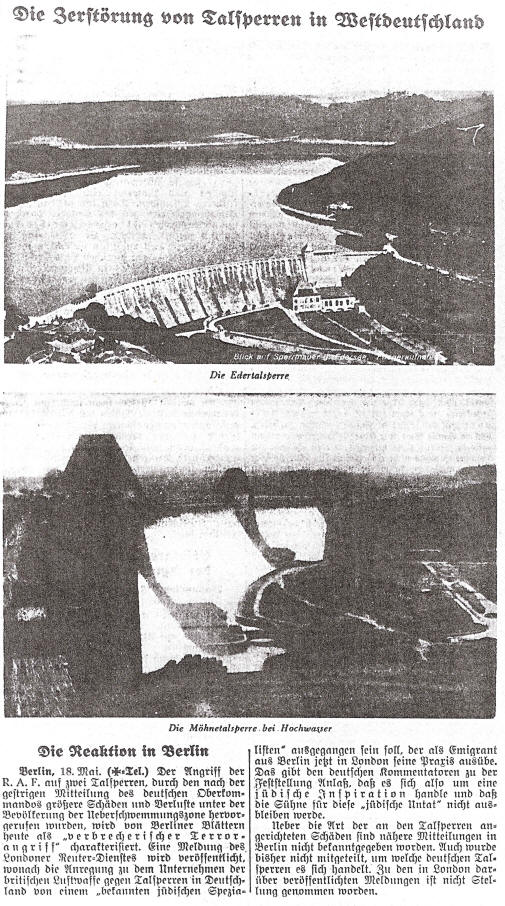
The attack on the Eder Dam also deserves separate mention:
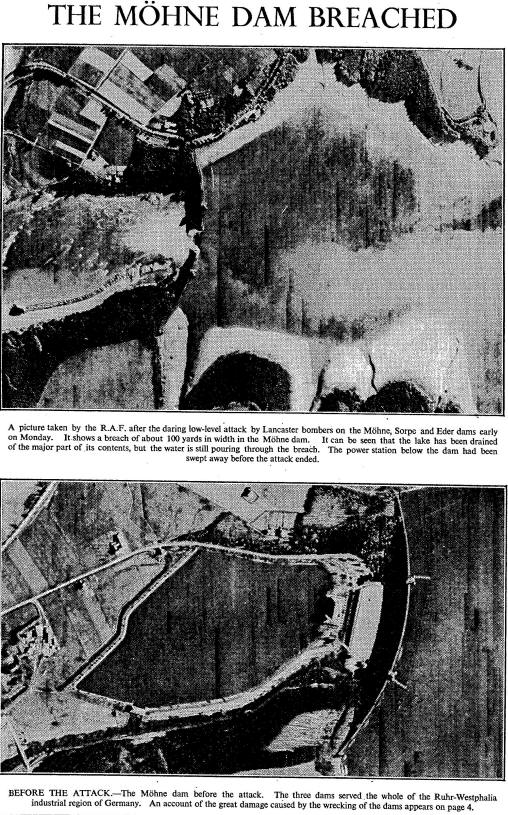
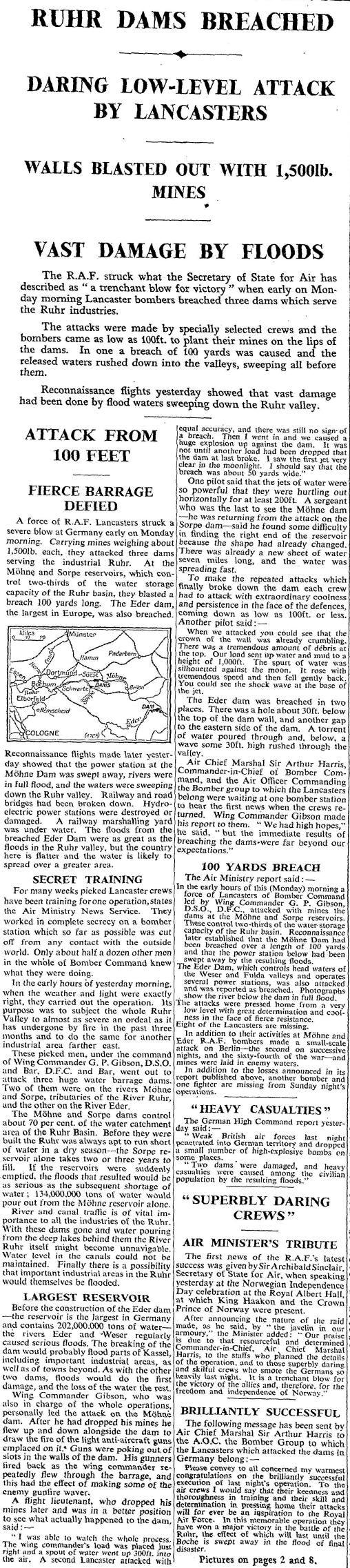
The Eder Dam, about 35 km from Kassel, was targeted together with the Möhne and Sorpe dams as part of RAF Operation Chastise. The aim was to breach the dams and disrupt water and industrial supplies while causing major flooding downstream. No. 617 Squadron RAF was assigned to the operation.
Specially designed bouncing bombs, each containing several tons of explosive, had to be released at very low altitude and at a precise speed so that they would skip across the water and pass over anti-torpedo nets. After striking the dam wall, the bombs sank before detonating underwater.
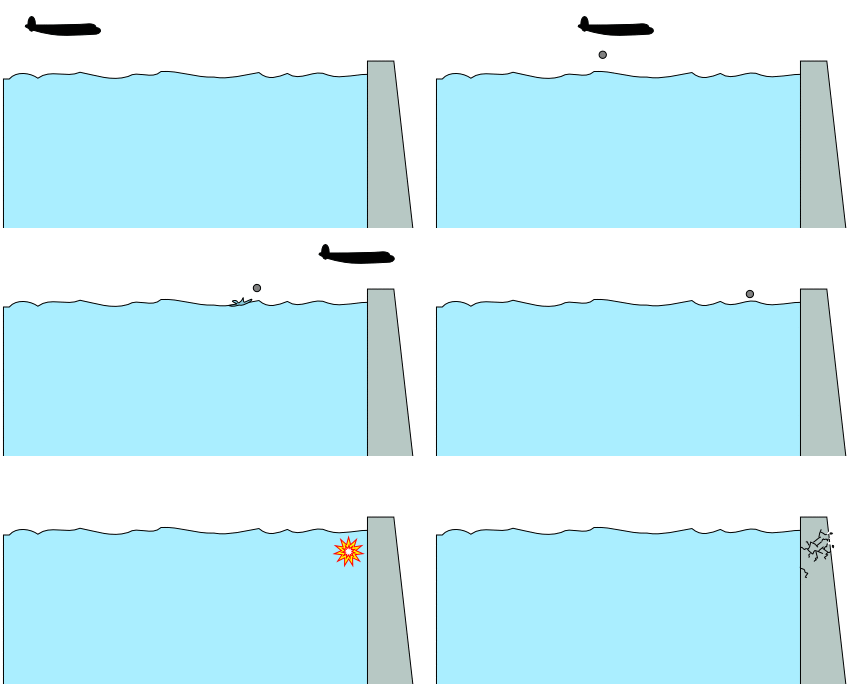
Animation showing the principle of the “bouncing bomb”
The highly specialised technique was practised intensively in Britain before the operation.
On the night of 16–17 May 1943, three of the eighteen attacking aircraft successfully reached the correct release position. The Eder Dam was breached and around 200 million cubic metres of water surged into the valley. The flood wave reached more than nine metres in places and devastated settlements downstream. The figures given here state that about 1,200 people died, including more than 800 in Neheim-Hüsten and hundreds of foreign forced labourers.
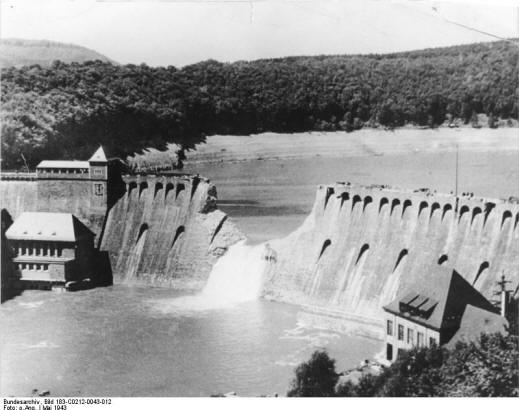
Bodies continued to be recovered from the mud for weeks after the flood.
THE DAM ATTACKS IN THE PRESS
National Zeitung (Berlin):
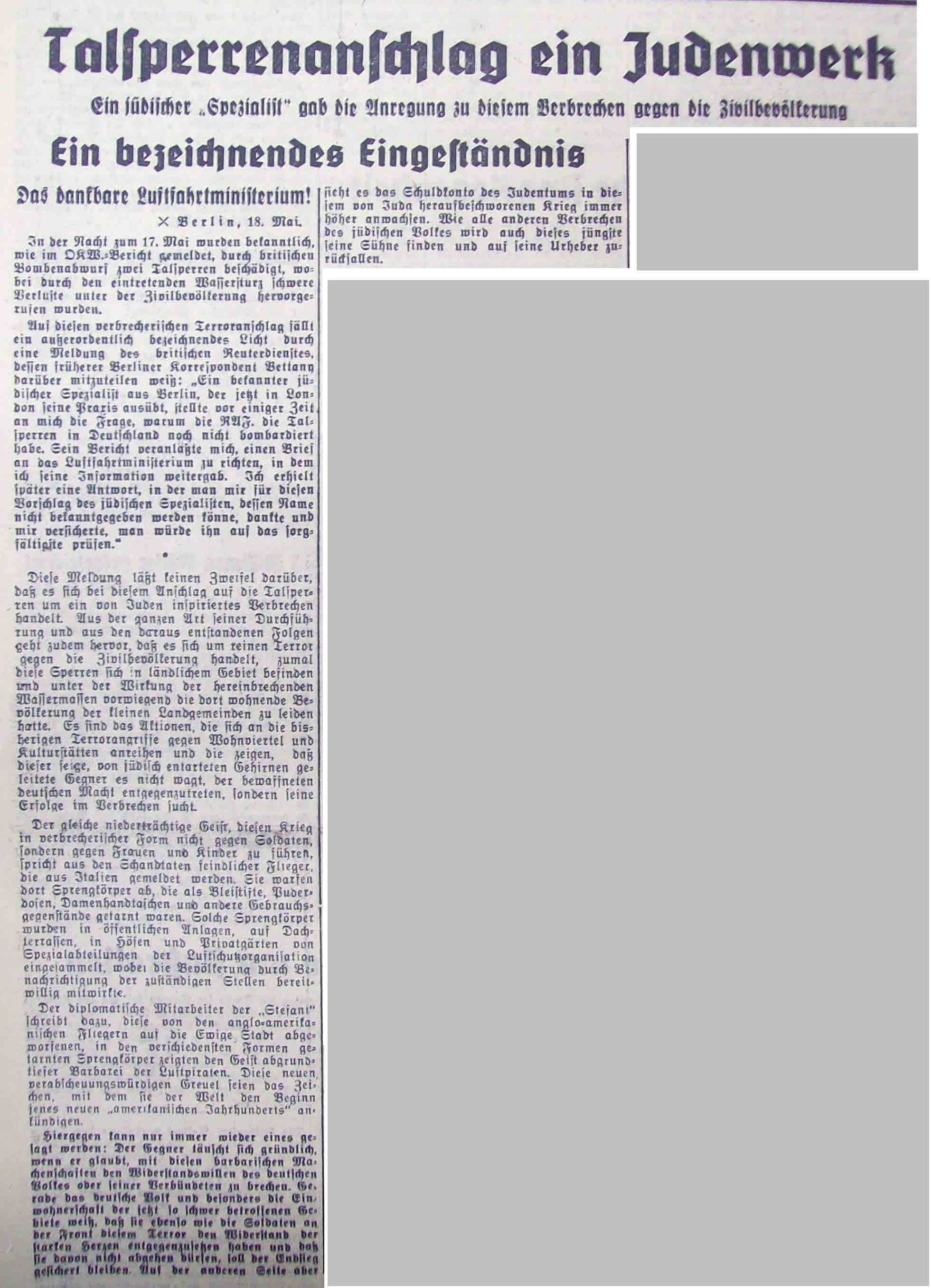
Neue Zürcher Zeitung (1):
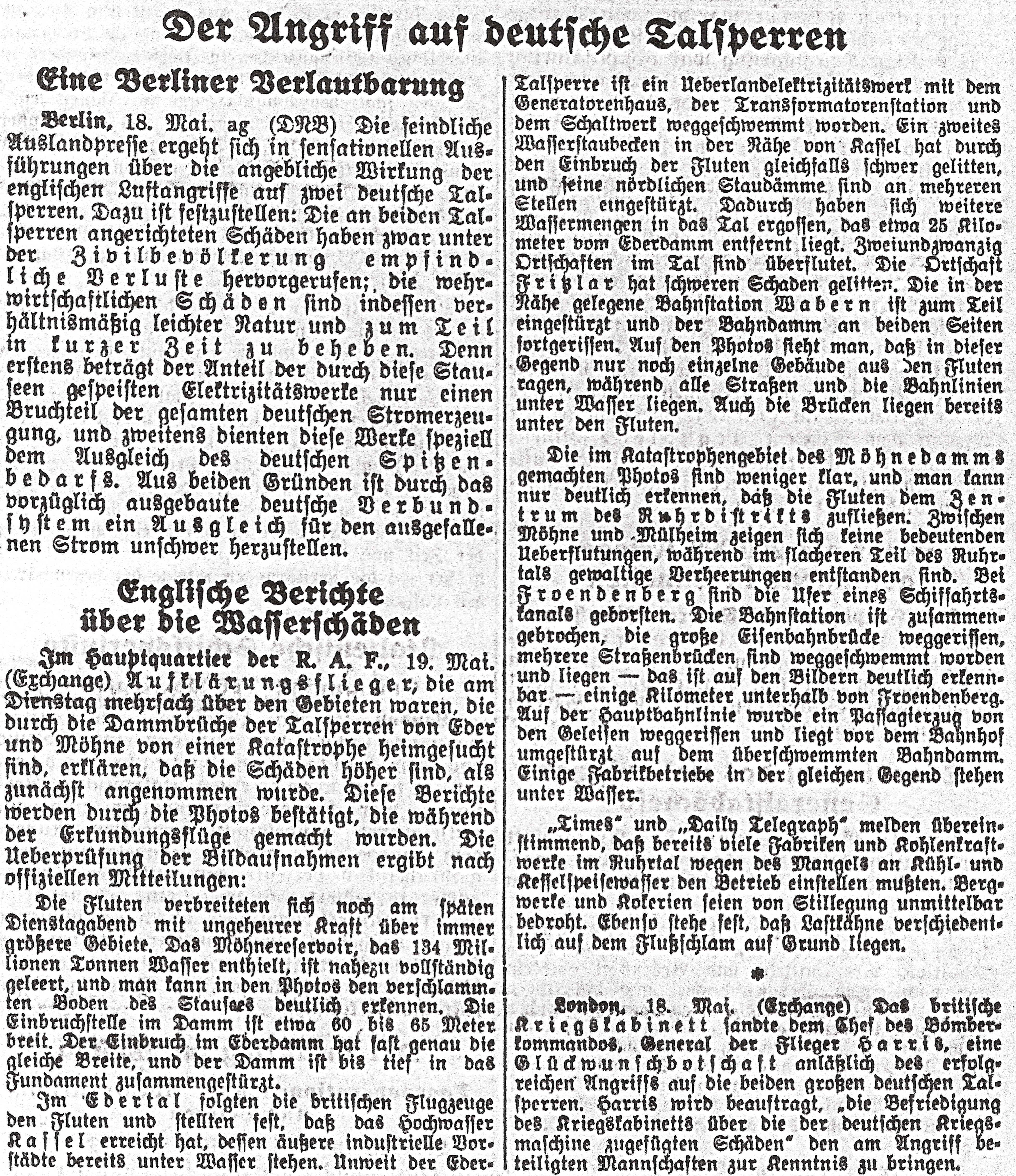
Neue Zürcher Zeitung (2):
The Times (1):
The Times (2):