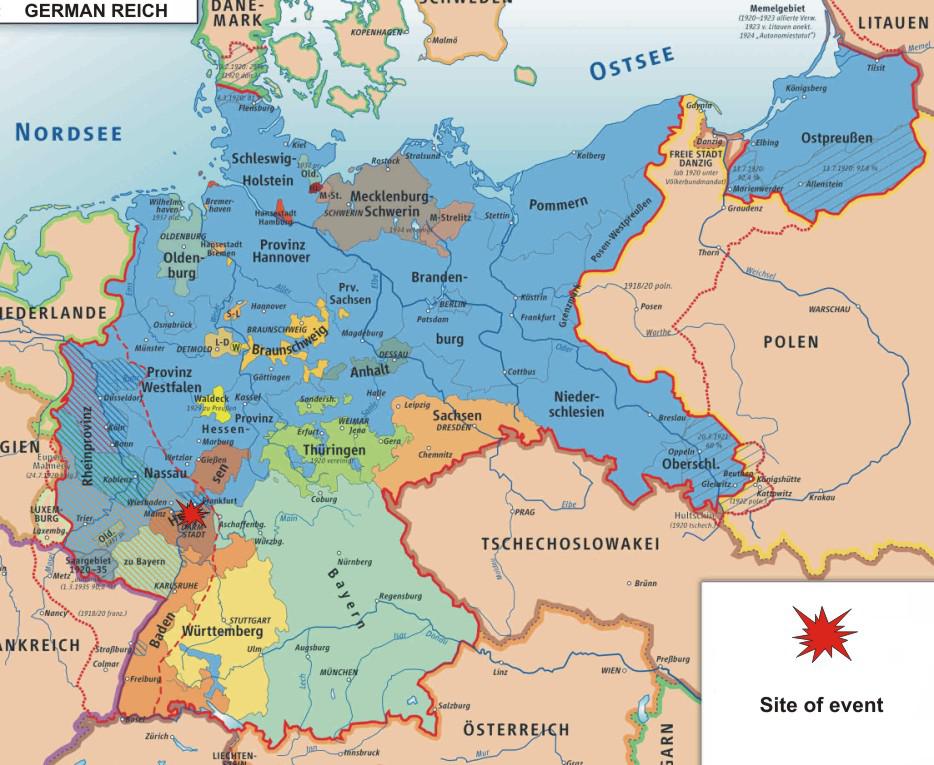
Darmstadt, in southern Hesse, was an important centre of Art Nouveau architecture and was repeatedly attacked by British and American bombers.
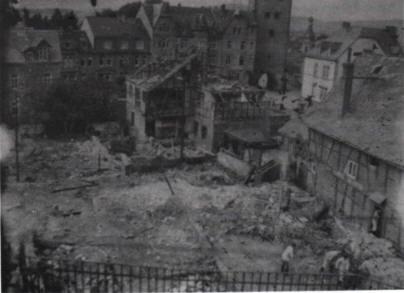
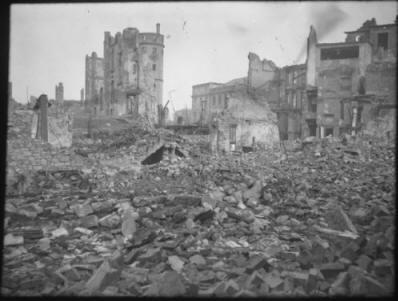
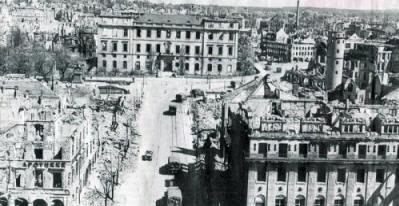
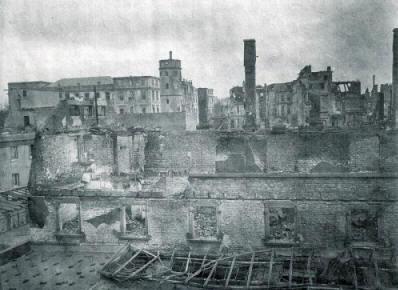
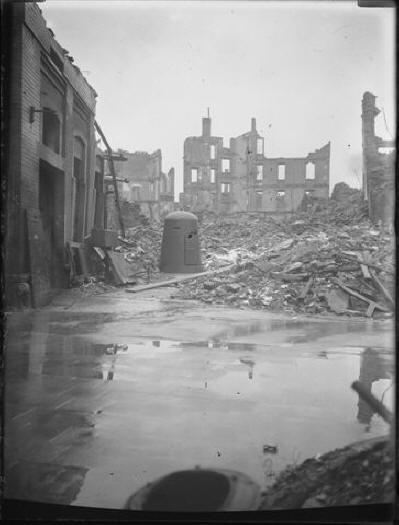
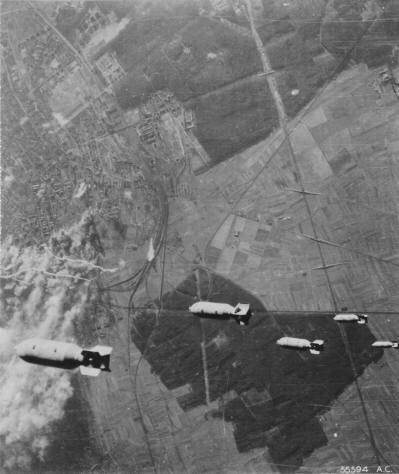
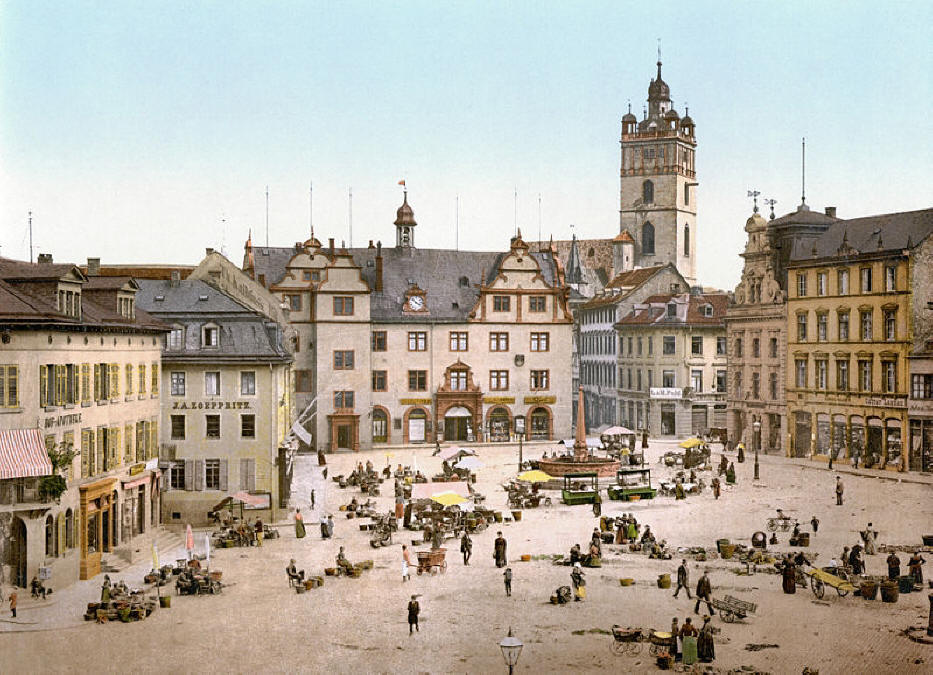
The major raid of 11 September 1944 later served as a point of comparison for the destruction of Dresden. After target marking by a master bomber and the dropping of coloured marker flares — the so-called “Christmas trees” — the main bomber force attacked. Darmstadt’s historic centre, including the Gothic City Church, the Renaissance Town Hall and distinctive Art Nouveau buildings, was devastated.
A munitions train was also hit, causing explosions to continue for almost an hour. Many people remained in cellars because they believed the raid was still under way. By the time they tried to leave, intense heat and smoke had turned many shelters into death traps.
13,500 dead
On 11 September 1944, 234 aerial mines, 500 high-explosive bombs and around 300,000 incendiaries struck Darmstadt. The raid killed 12,300 people; about 20 per cent of the victims were children under the age of 16. Roughly 80 per cent of the city was destroyed.
Other raids took place on:
29 July 1940,
21 July 1941,
3 December 1942,
10/11 April 1943,
23 September 1943,
25 April 1944,
7 May 1944,
19 July 1944,
21 July 1944,
25/26 August 1944,
10 September 1944,
13 September 1944,
19 September 1944,
12 December 1944