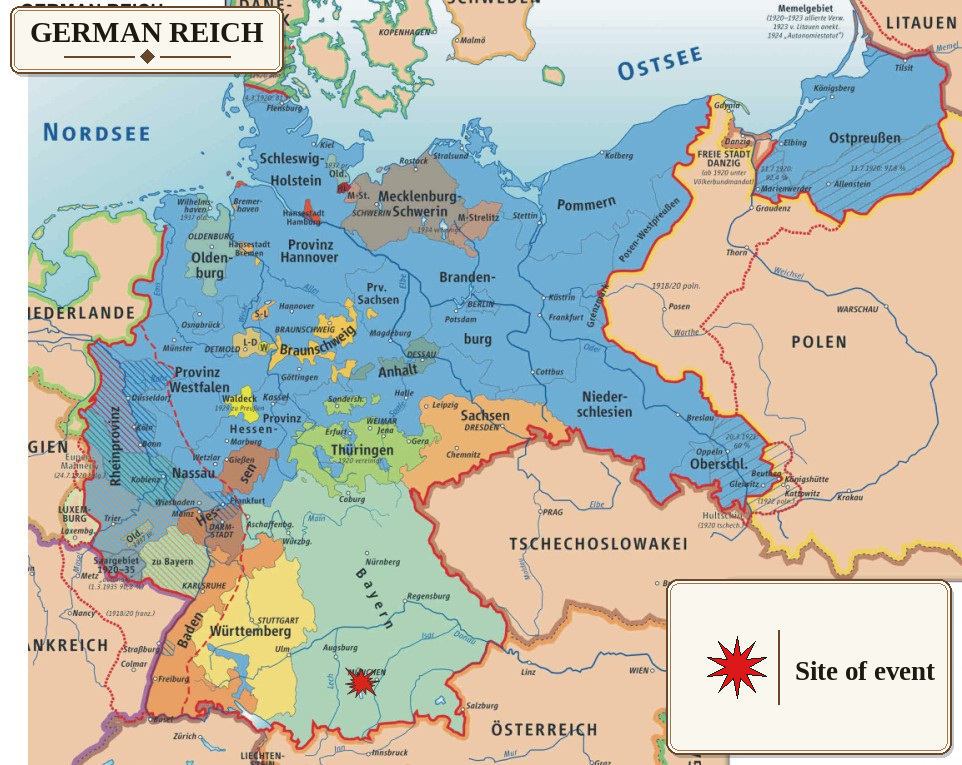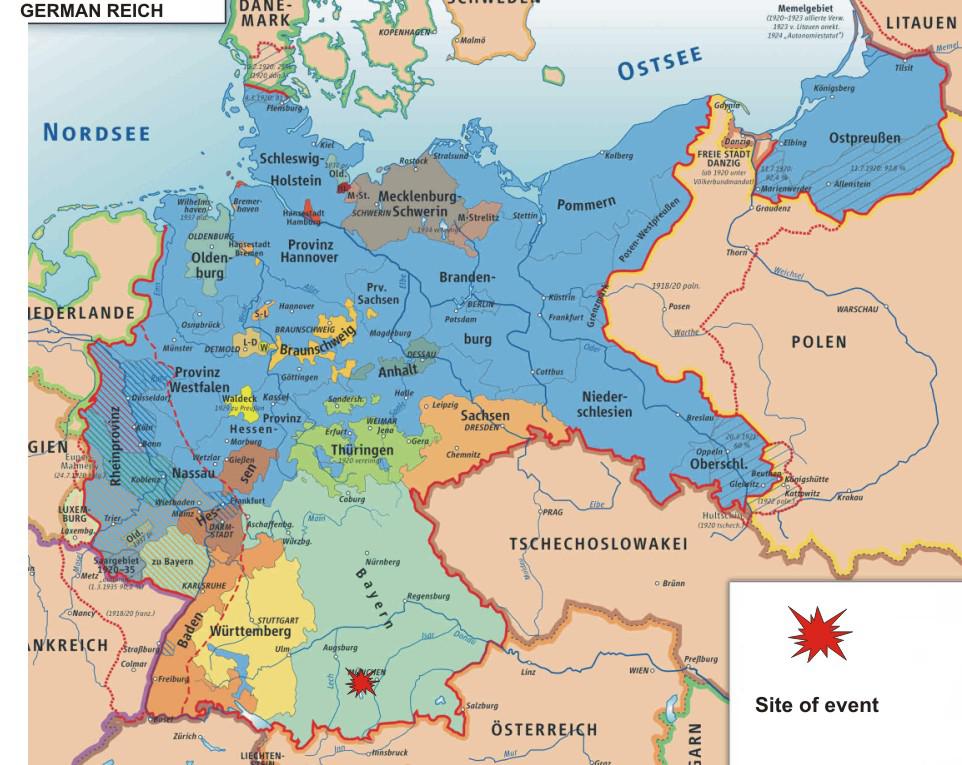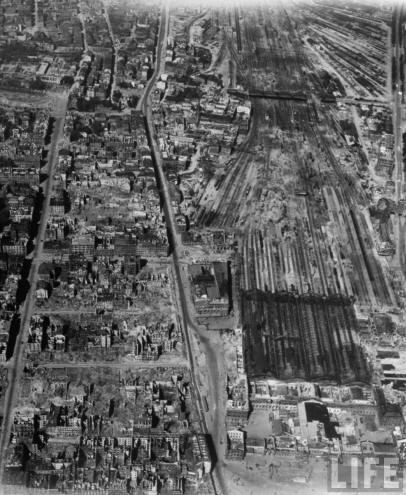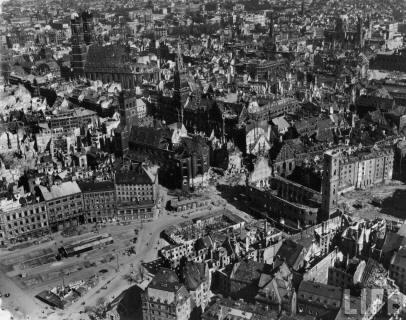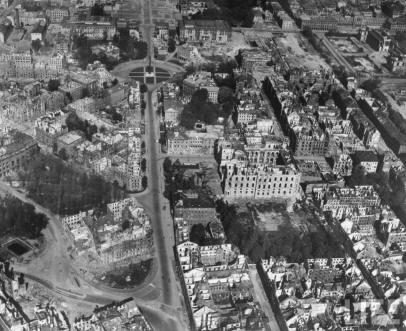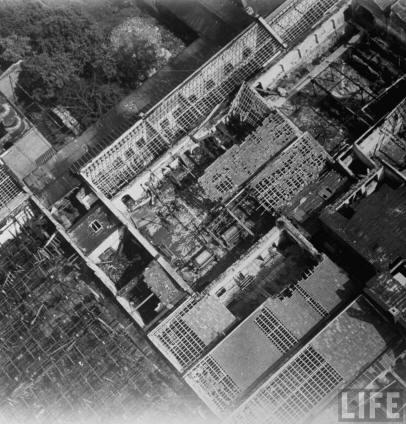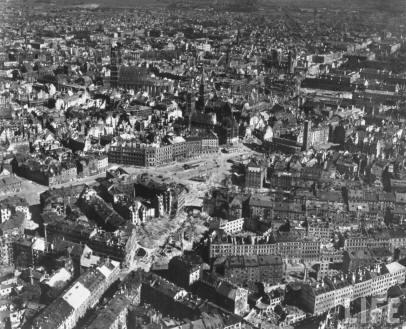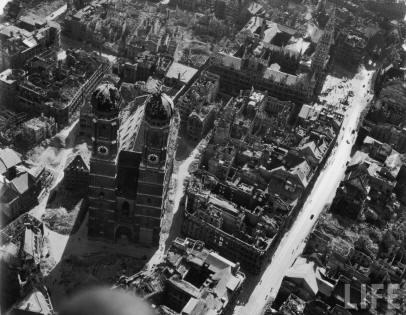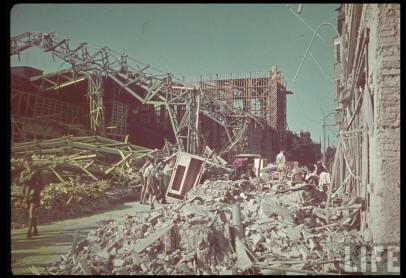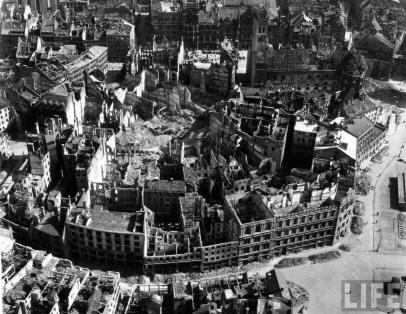
As a major industrial centre and transport hub, Munich was an important target for Allied bombers.
The city was attacked repeatedly during the war, although large-scale raids began somewhat later than in many northern and western German cities.
Major raids took place on:
20 September 1942
10 March 1943
7 September 1943
2 October 1943
11 July 1944
13 July 1944
16 July 1944
19 July 1944
26 November 1944
7/8 January 1945
From the summer of 1944 onwards, the attacks intensified. In July alone, the U.S. Army Air Forces dropped around one million incendiary bombs on Munich according to the figures cited here.
By this stage of the war, Allied bombers operating from bases in Italy could reach Munich by a relatively short route across the Alps.
The raids of 1943 were already severe. In some areas, recovery of bodies took several days because intense heat and unstable rubble hindered rescue work.
In early November 1943, important cultural buildings were destroyed or badly damaged, including the Bavarian State Library, the National Theatre and numerous historic churches.
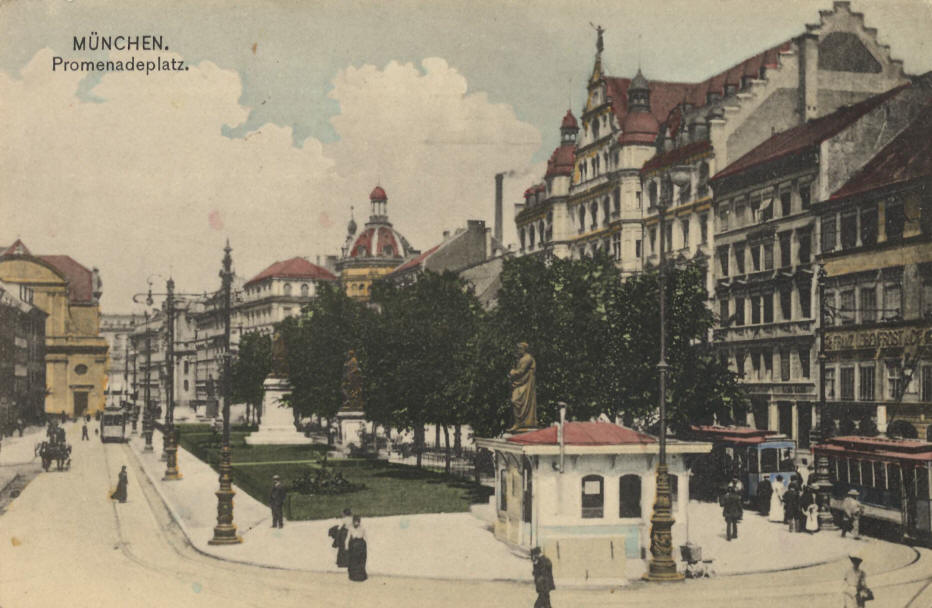
Destroyed Baroque architecture
Hospitals and social institutions were also hit, including a children’s home, the municipal orphanage, an institution for the blind and several homes for elderly people.
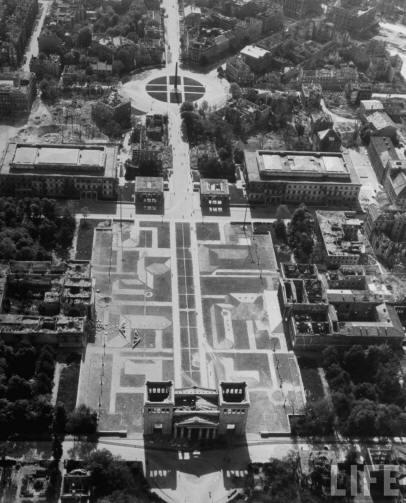
The heaviest destruction, however, came during the final months of the war.
On 7 and 8 January 1945, more than 2,000 tons of bombs were dropped on the city centre in two waves. Another major raid on 19 January killed 505 people according to the figures cited here.
Further culturally and historically important buildings were destroyed in these raids, including the Frauenkirche (Cathedral of Our Lady).
6,632 dead
A total of 73 air raids were recorded against Munich.