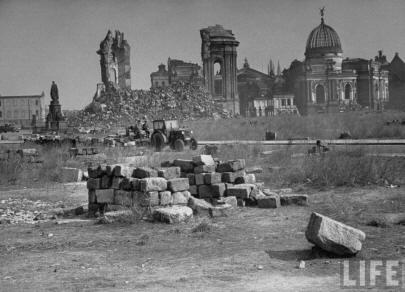
Dresden is one of the most controversial examples of the Allied bombing campaign against German cities.
The city was not one of Germany’s principal industrial centres, although it had railway connections, military facilities, hospitals and prisoner-of-war camps in and around the city.
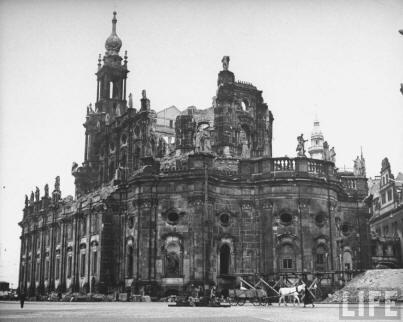
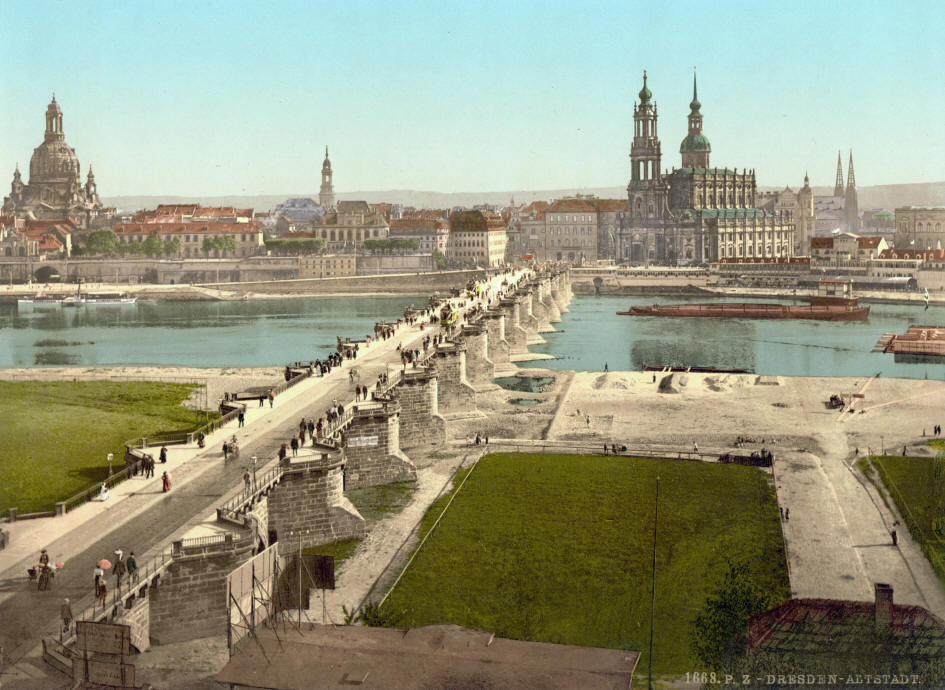
Known as the “Florence on the Elbe” for its historic architecture and art collections, Dresden had escaped the scale of destruction suffered by many other major German cities until early 1945.
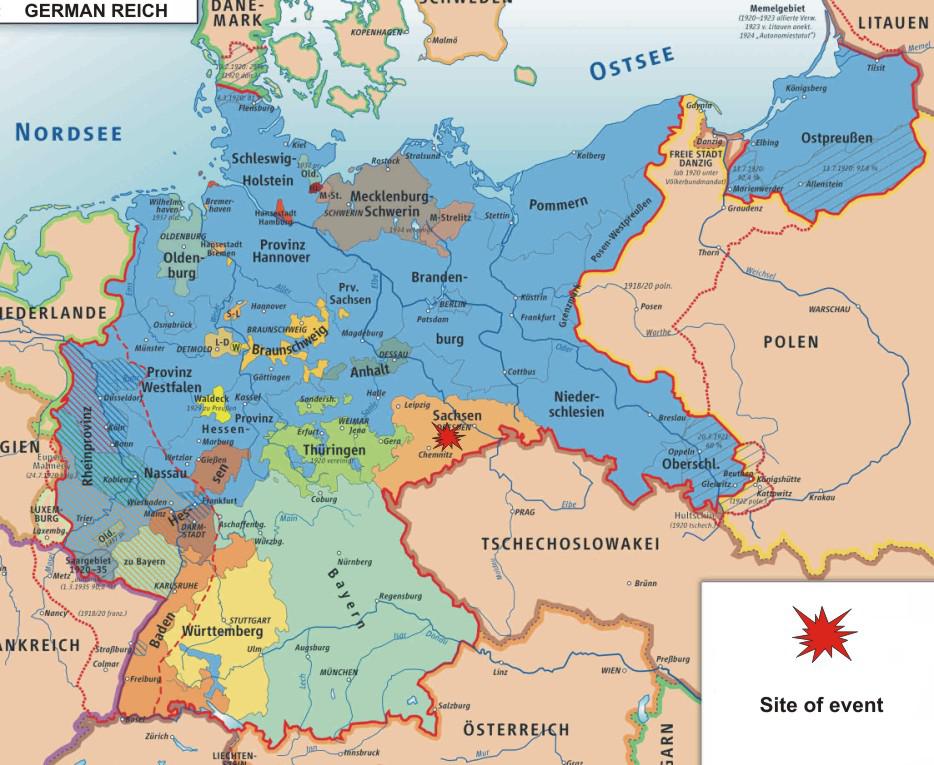
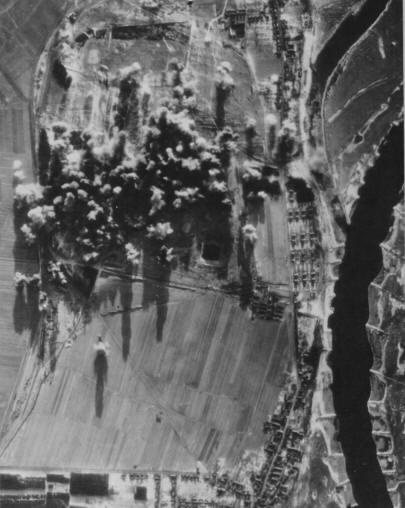
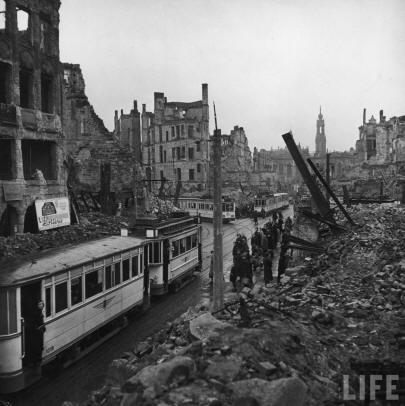
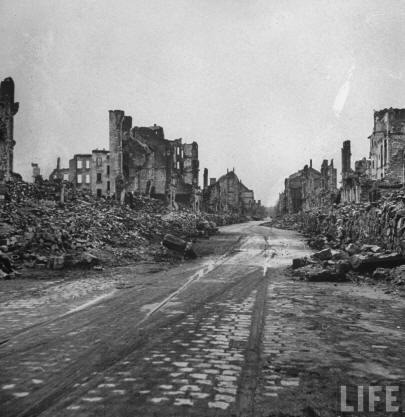
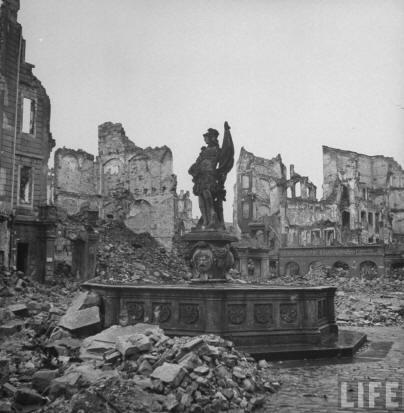
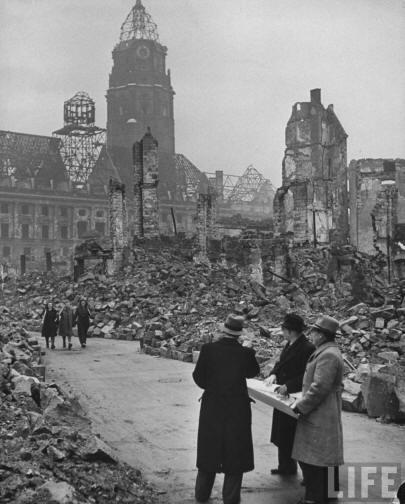
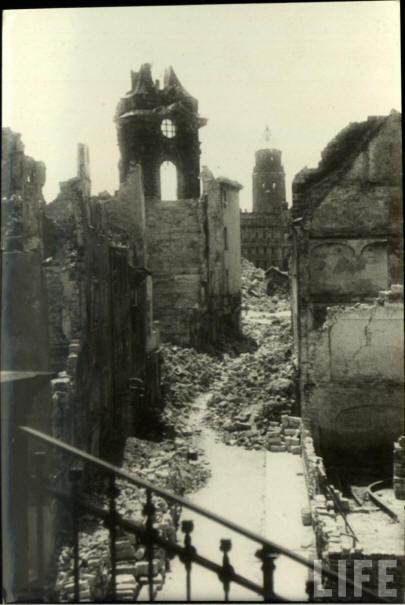
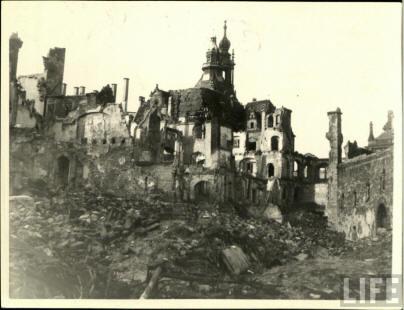
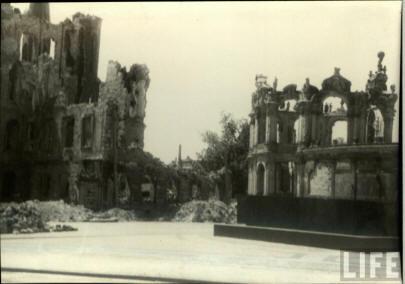
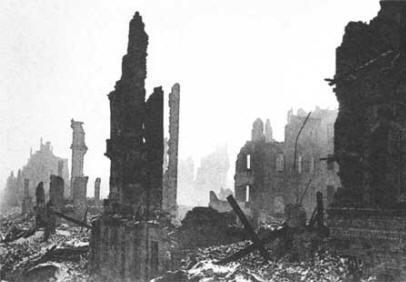
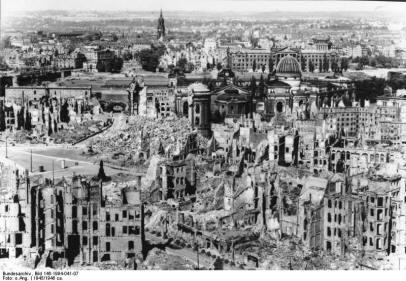
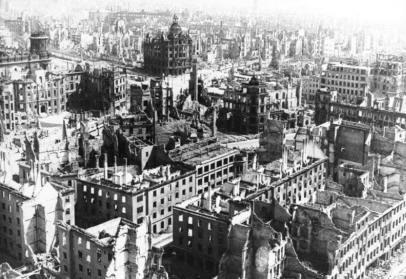
On 13 and 14 February 1945, with the war nearing its end in Europe, Dresden was devastated by attacks by the Royal Air Force and the U.S. Army Air Forces.
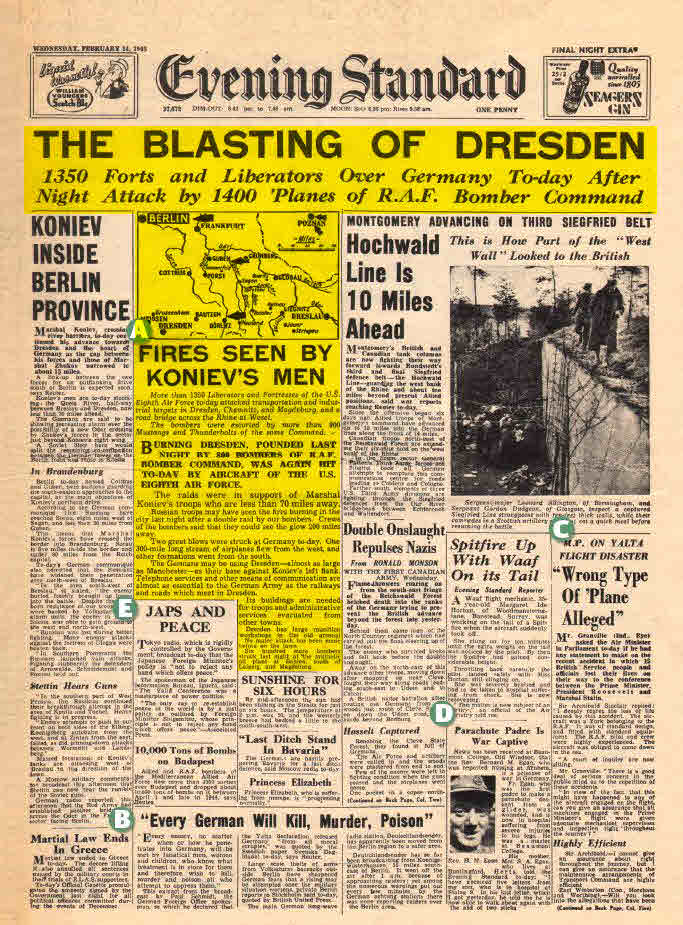
British newspaper reporting on the destruction
The raids followed the pattern used in earlier area-bombing operations: high-explosive bombs first opened roofs and damaged buildings, followed by large numbers of incendiaries. The figures cited here state that around 650,000 incendiary bombs were dropped.
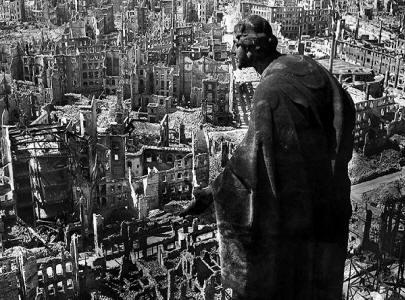
A massive firestorm developed, with extremely high temperatures and powerful winds sweeping through parts of the city.
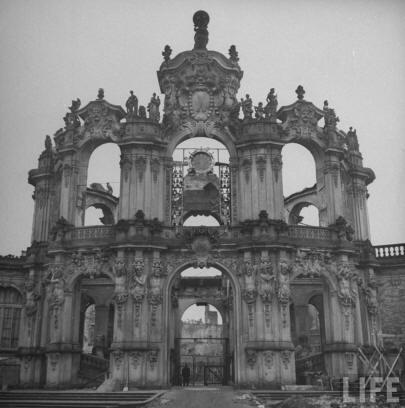
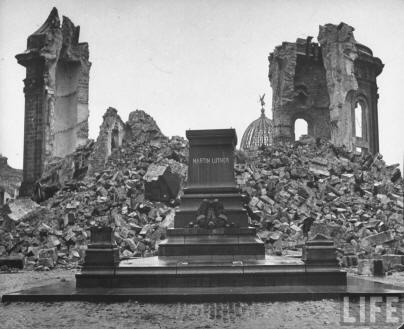
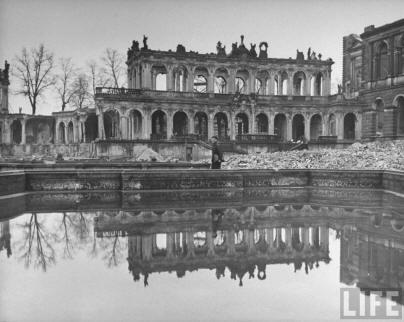
Large sections of the historic Old Town, including the Zwinger, the Royal Palace and the Frauenkirche, were destroyed or severely damaged.
250,000 — 300,000 dead
At the time, the city also contained large numbers of refugees from the eastern territories, while hospitals were crowded with wounded soldiers and civilians.
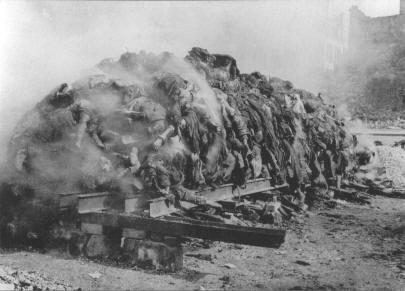
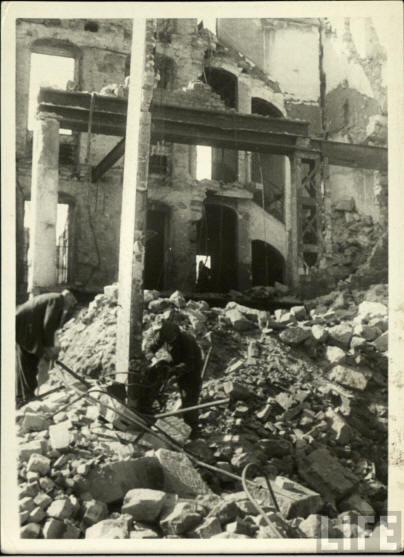
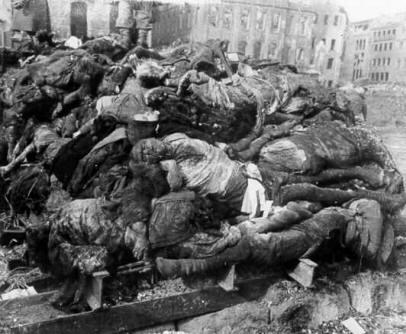
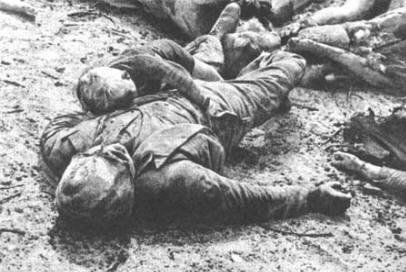
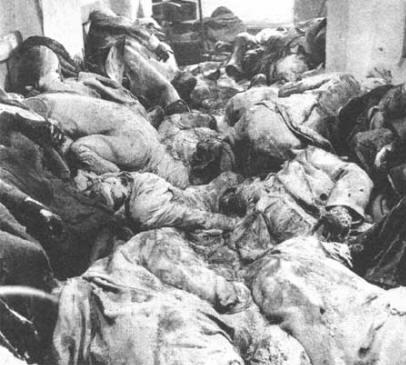
The fires killed many people beyond recognition. Some bodies were charred, buried under rubble or reduced to fragments by blast and heat.
The city burned for days, and large numbers of bodies were later cremated or buried in mass graves.
Because of the destruction and the risk of disease, not every victim could be identified individually before burial or cremation.
Scene from the film Dresden
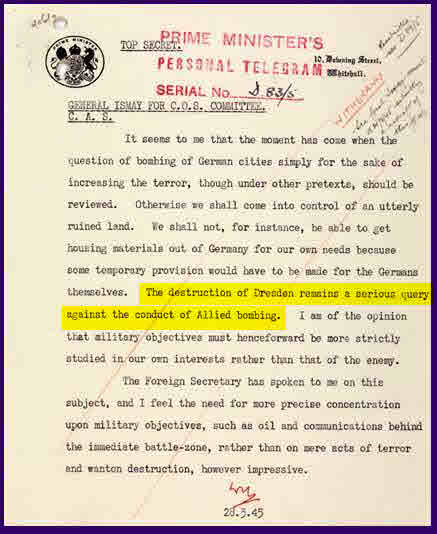
The destruction of Dresden also prompted debate and criticism within the Allied countries themselves.