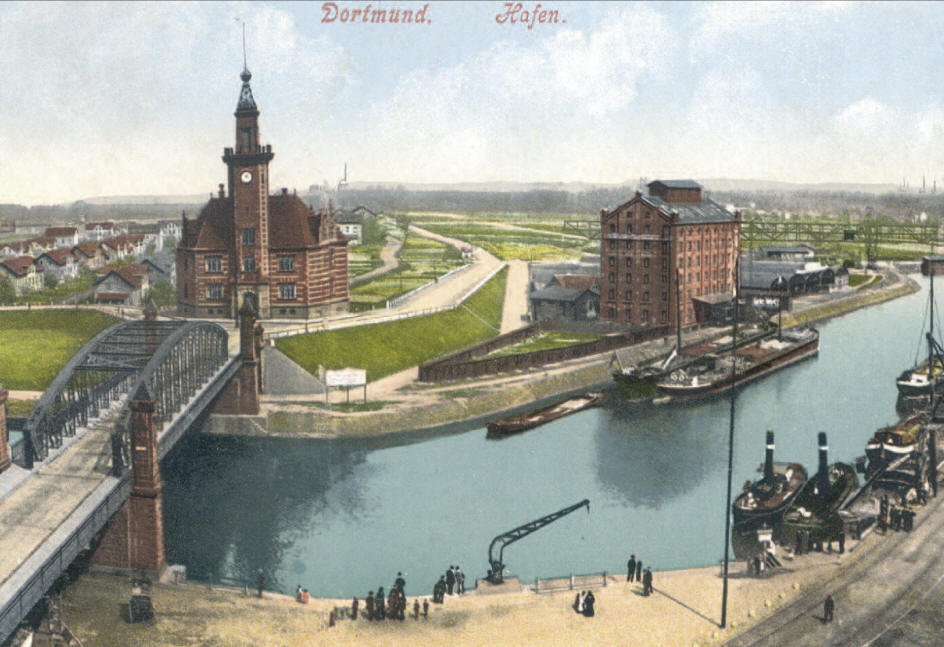
It is difficult today to imagine how much of Dortmund’s historic city centre once survived. Its position on an old military and trade route helped it develop into an important imperial and commercial city with Romanesque and Gothic churches, including a medieval town hall dating from around 1240.
With about 540,000 inhabitants, Dortmund was the largest city in Westphalia and a major centre of the coal and steel industries.
This made the city an important target for Allied bombing.
The most serious raids included:
15 April 1942 = 215 bombers
5 May 1943 = 596 bombers, 693 dead
24 May 1943 = 826 bombers, 654 dead
Further raids took place on:
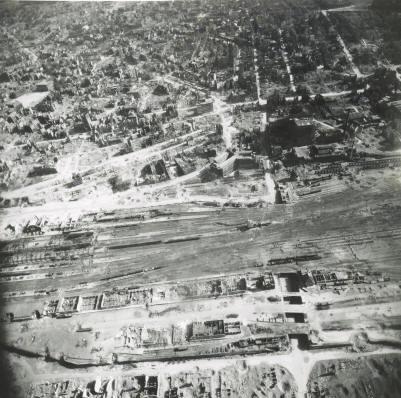
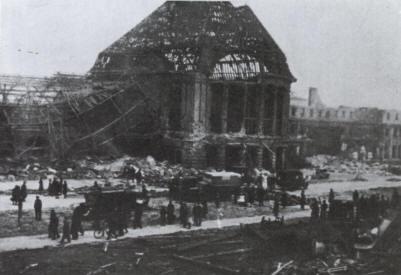
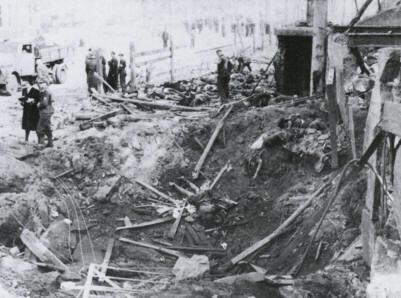
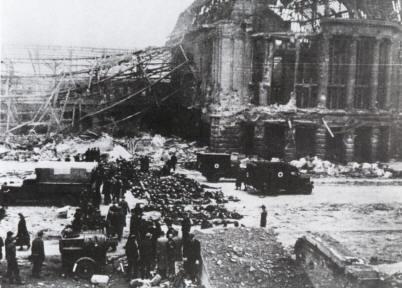
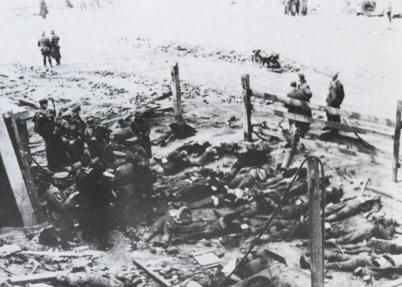
Major attacks followed on 7 October, 7 November, 12 November and 29 November 1944. The raid of 7 November caused 1,148 deaths and 2,451 injuries. On 12 March 1945, shortly before the end of the war, 1,107 aircraft dropped nearly 5,000 tons of bombs. A strip roughly one kilometre wide and five kilometres long was devastated.
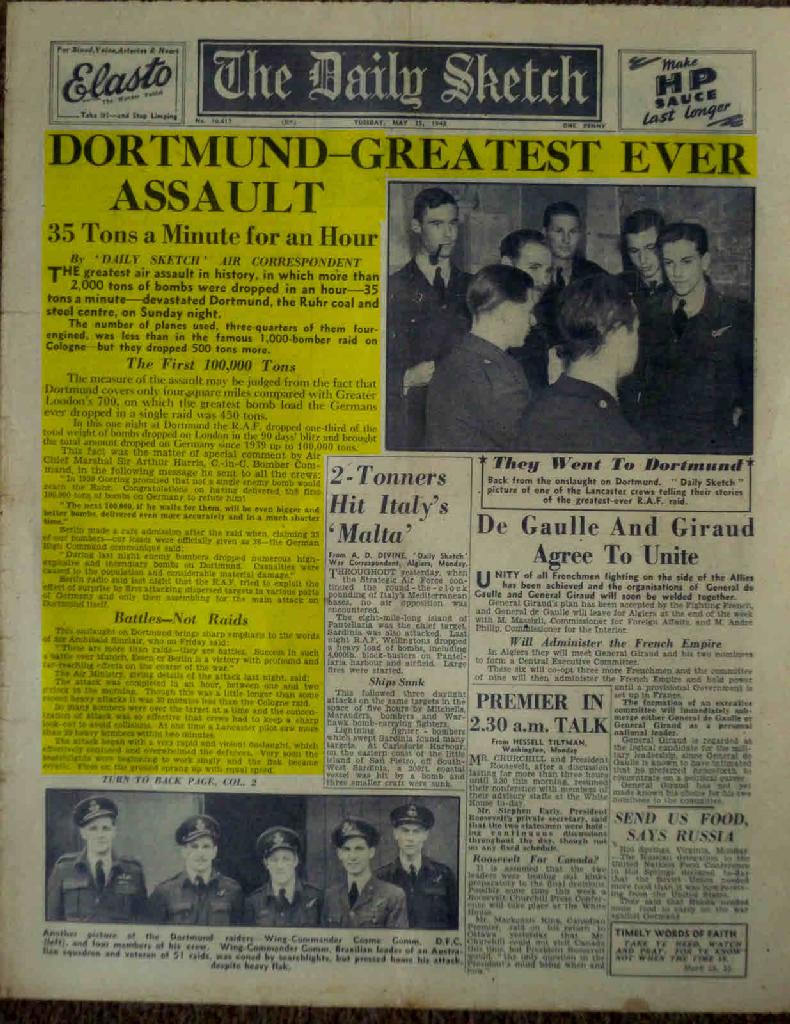
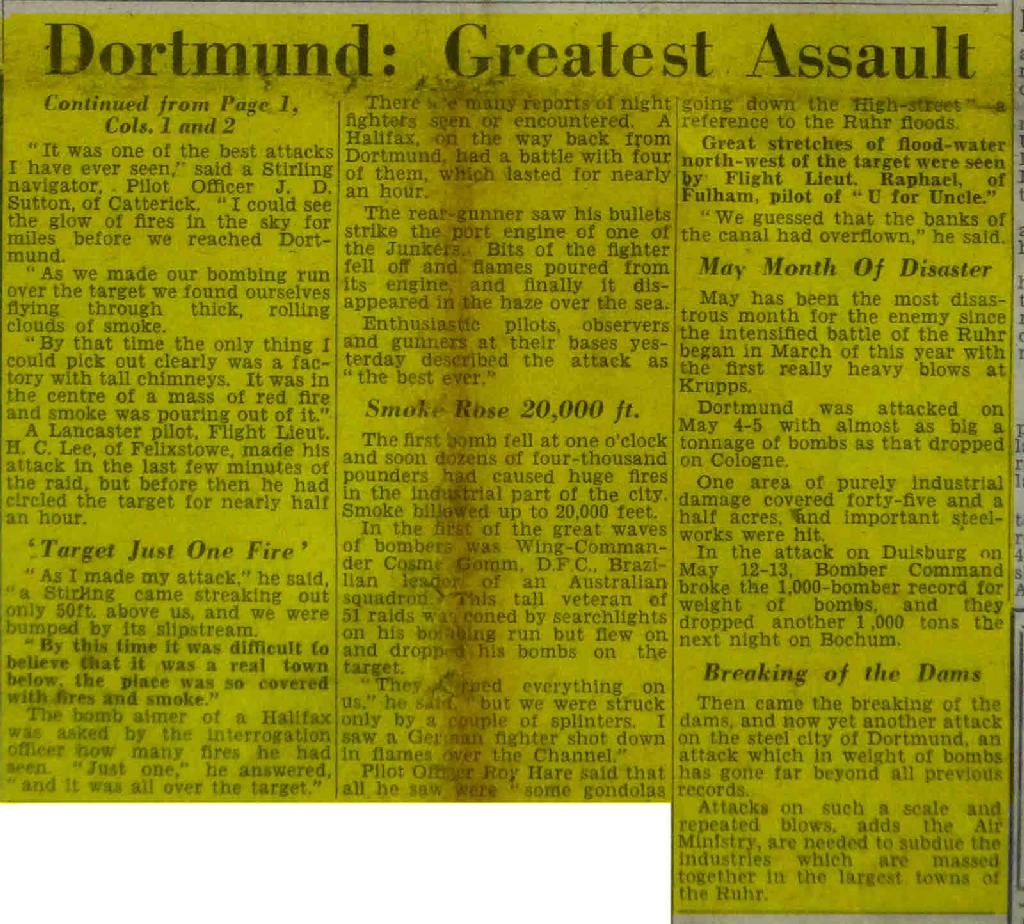
Report in a British newspaper
Low-flying aircraft also attacked transport and people on the ground. On 3 March 1945, Thunderbolt fighter-bombers attacked a crowded tram, killing 40 passengers.
About two thirds of Dortmund was destroyed.
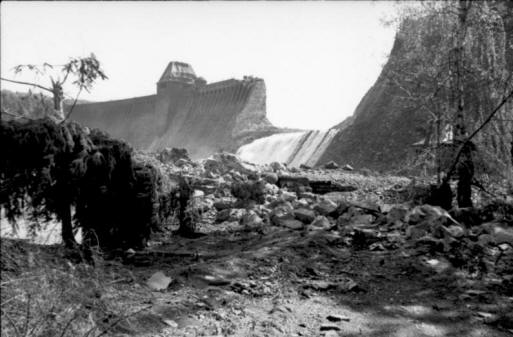
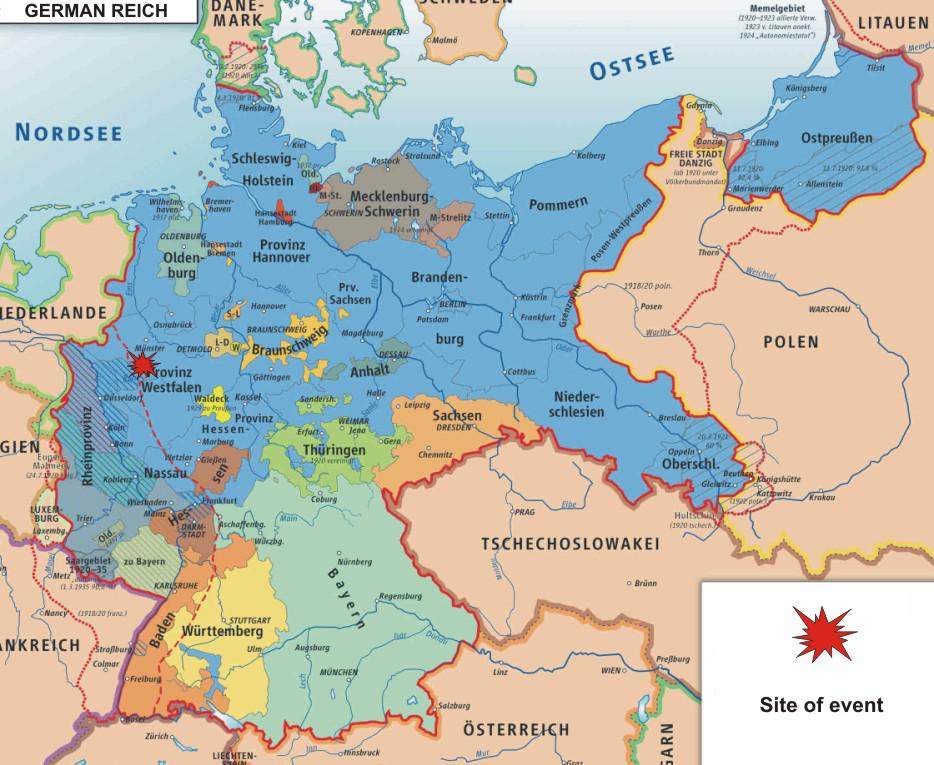
The attack on the Möhne Dam also deserves separate mention:
Alongside Operation Gomorrah against Hamburg, RAF planners developed a special operation against major dams in the Ruhr region.
The Möhne, Eder and Sorpe dams were targeted in an effort to disrupt water and industrial supplies and to cause flooding in the valleys below.
Special “bouncing bombs” were designed for the operation and crews practised a highly specialised low-level delivery technique.
The attack took place on the night of 16–17 May 1943. Repeated approaches were required before the Möhne Dam was breached.
Millions of cubic metres of water surged down the valley in a destructive flood wave.
The Sorpe Dam remained largely intact, but the breach of the Möhne Dam caused heavy loss of life downstream. An estimated 1,200 people drowned, including more than 800 people in Neheim-Hüsten and hundreds of foreign forced labourers.