
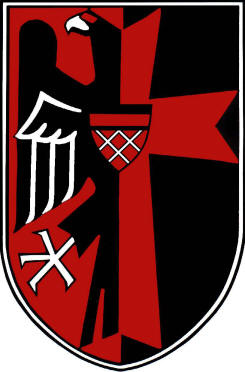
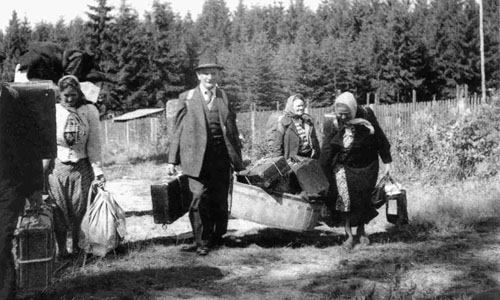
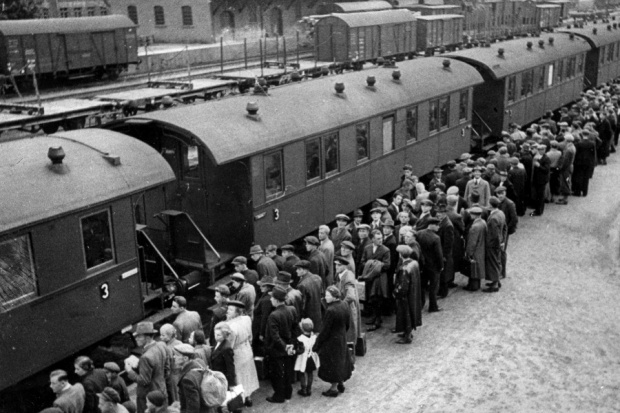
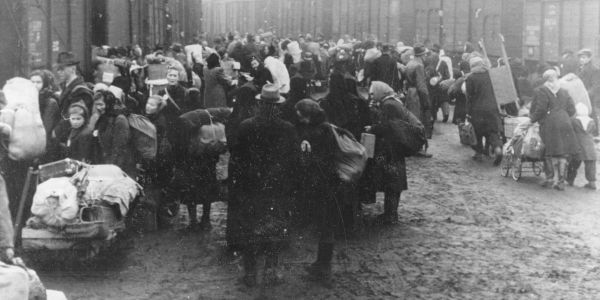
According to the figures presented here, 3,273,000 Germans were expelled from the Sudetenland, Bohemia and Moravia, of whom 273,000 died during flight and expulsion.
Before the war, around 3,474,000 Sudeten Germans lived in 674 settlements in these regions.
Major cities:
Reichenberg, Aussig, Brünn, Brüx, Eger, Gablonz, Karlsbad, Leitmeritz, Marienbad, Olmütz, Teplitz-Schönau, Tetschen, Trautenau, Troppau and Znaim
Sudetenland, Bohemia and Moravia in a nutshell
The Sudetenland, together with the Bohemian Forest and South Moravia, covered an area larger than Hesse and Saarland combined.
Within the Habsburg lands of Bohemia and Moravia, German-speaking communities formed a large and economically important part of the population.
Their political position changed fundamentally after the First World War with the creation of Czechoslovakia.
Around 3.5 million German speakers became a minority within the new Czechoslovak state.
Many German-speaking inhabitants of Bohemia and Moravia opposed this settlement and sought union with German Austria, but the victorious Allied powers rejected the proposal.
The subsequent Sudeten crisis culminated in the Munich Agreement and the incorporation of the Sudetenland into the German Reich in October 1938.
“Return to the homeland” [silent footage]
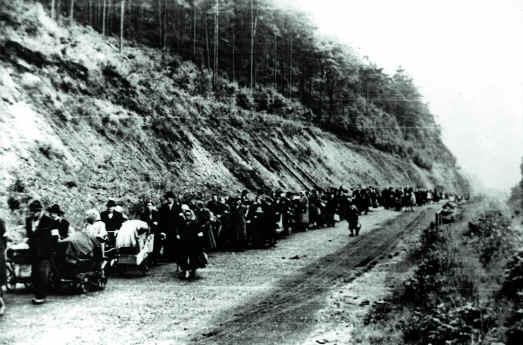
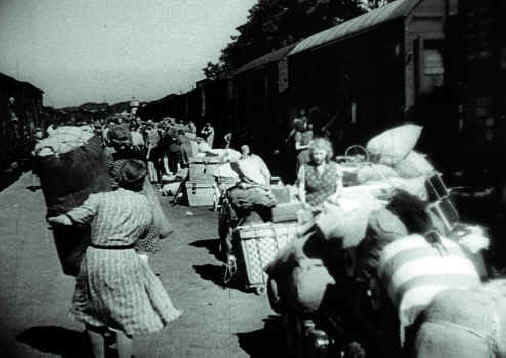
After the Red Army entered Bohemia and Moravia in 1945, violence, looting, lynching and the forced expulsion of the German population began.
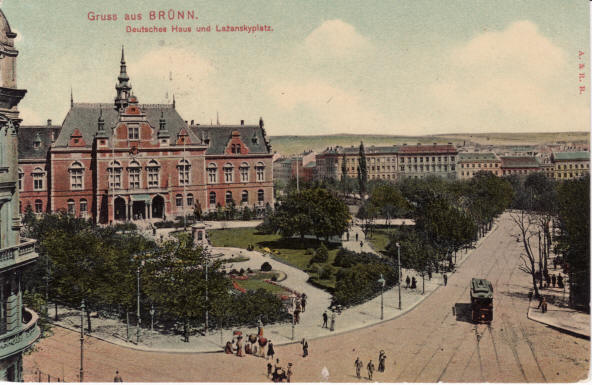
Brünn
History of Sudetenland
Antiquity — Germanic tribes lived in the region; the Marcomannic ruler Maroboduus established a kingdom in Bohemia. Population patterns changed during the Migration Period.
From the 6th century — Slavic settlement expanded in Bohemia and Moravia.
805 — Campaign by Charlemagne against Bohemia.
1198 — Přemysl Otakar I secured hereditary kingship in Bohemia and suzerainty over Moravia.
12th century — German monks, settlers and craftsmen arrived in large numbers, founding monasteries and developing estates and towns.
1278 — The Battle on the Marchfeld strengthened Habsburg influence in the region.
1346–1348 — Under Emperor Charles IV, Prague became an imperial centre; Charles University was founded in 1348 and the imperial regalia were kept at Karlštejn Castle.
1618–1648 — The Defenestration of Prague in 1618 helped trigger the Thirty Years’ War.
1814–1815 — After the Congress of Vienna, the Bohemian lands remained within the Habsburg monarchy and later Austria-Hungary.
1917–1918 — Allied discussions about a future Czechoslovak state included extensive territorial claims within the Habsburg lands.
1918 — The Habsburg monarchy collapsed and Czechoslovakia was founded. Many Sudeten German representatives sought union with German Austria.
1918–1919 — Czechoslovak forces occupied the German-speaking border regions; the German-Bohemian regional governments were dissolved.
1938 — The Munich Conference led to the incorporation of the Sudetenland into the German Reich.
1945 — Around three million Germans were expelled from their homes in Czechoslovakia.
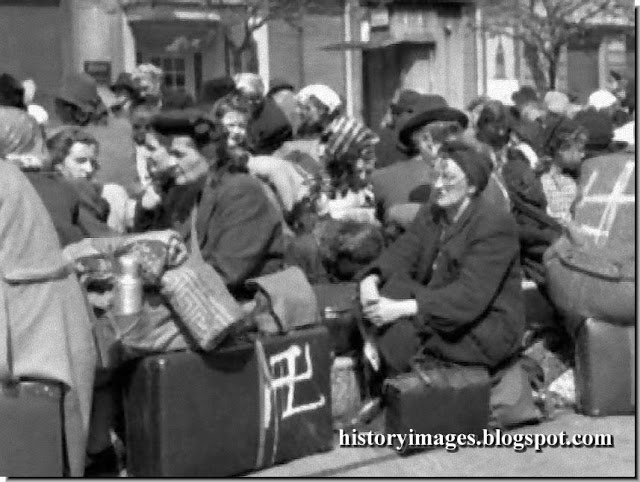
Some expellees were marked with swastikas before being driven out.
Flight and expulsion
Immediately after the arrival of the Red Army, a violent wave of expulsions and reprisals against the German population began.
The expulsions created facts on the ground before the post-war settlement was fully formalised by the Allied powers.
Contemporary footage of violence against the German minority [silent]
The expulsions were accompanied by lynchings, summary executions, severe violence and rape committed by members of the Soviet occupation forces and by some Czech civilians.
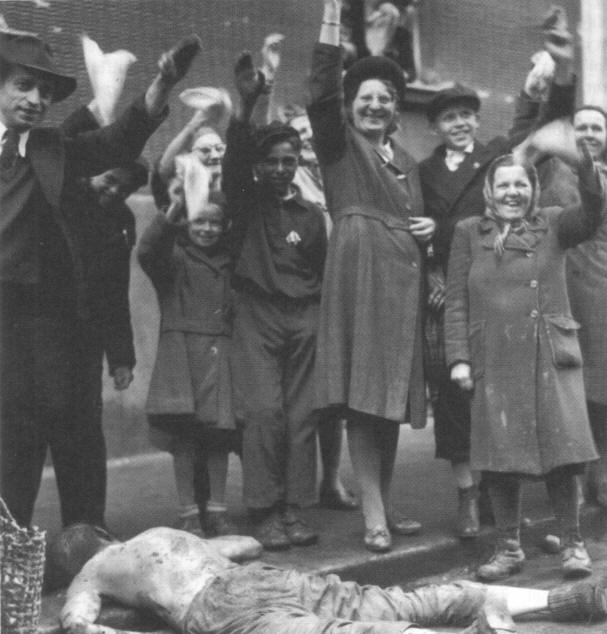
Czech civilians greet arriving American troops; a slain German lies in the foreground.
During the so-called Brno death march, about 26,000 women, children and elderly people were forced to walk towards the Austrian border. Hundreds died from exhaustion and dehydration.
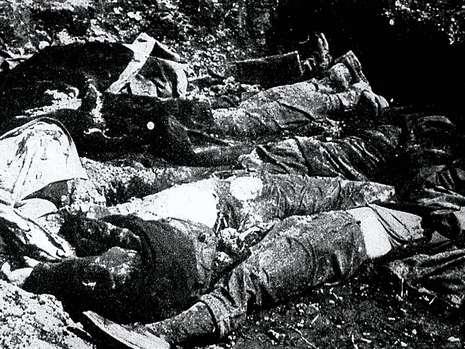
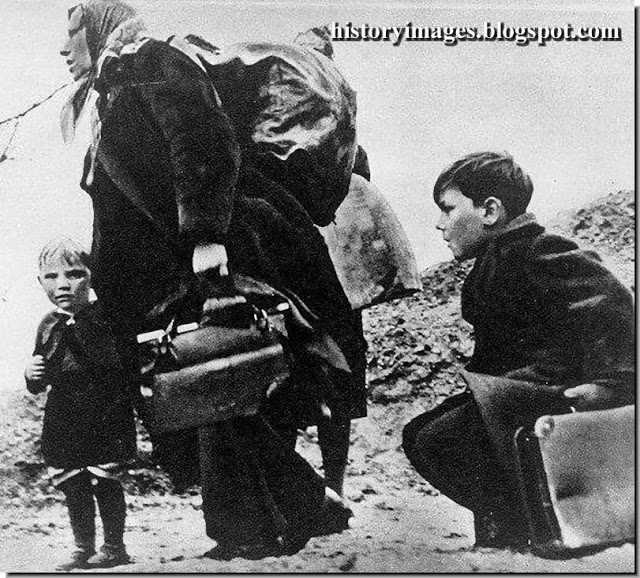
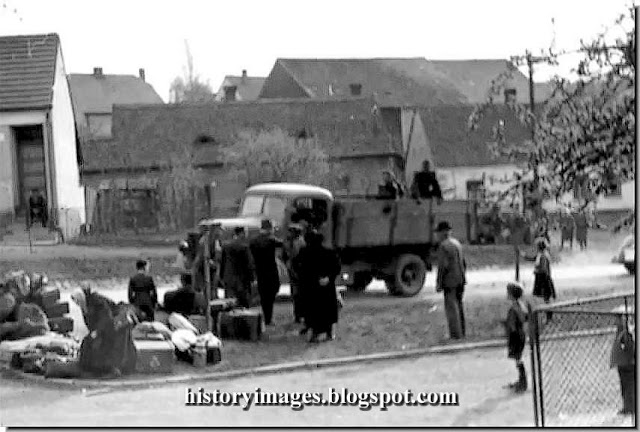
Able-bodied German men were sent to camps and subjected to forced labour.
According to the figures presented here, roughly a quarter of a million Germans died as a result of violence, expulsion and conditions in labour camps.
More than three million Sudeten Germans permanently lost their homes.
435,000 dead
Contemporary report on the expulsion
Notable people from the Sudetenland, Bohemia and Moravia
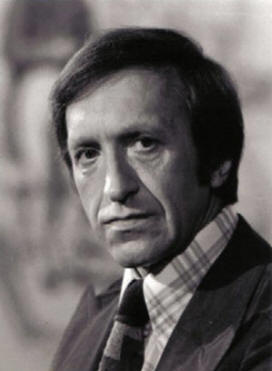
Hellmut Diwald — Schattau/South Moravia, 1929-1993, historian
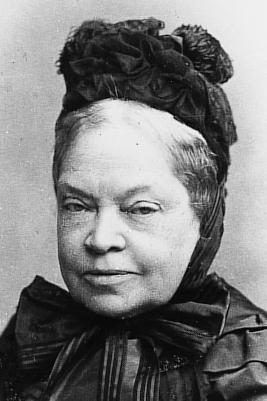
Marie von Ebner-Eschenbach — Zdislavic/Moravia, 1830-1916, poet
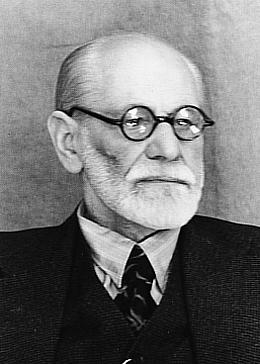
Sigmund Freud — Freiberg, 1856-1939, psychoanalyst
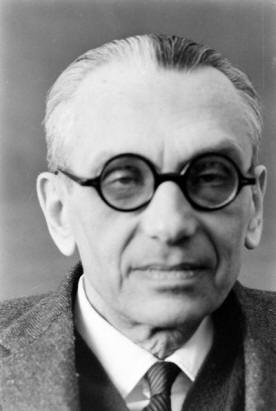
Kurt Gödel — Brünn, 1906-1978, mathematician
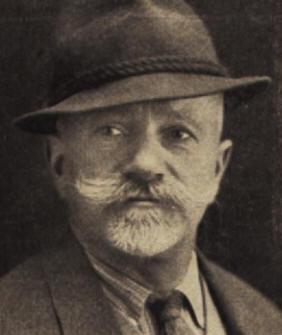
Anton Günther — Gottesgab/Bohemia, 1876–1937, dialect poet
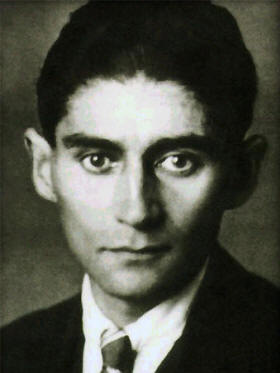
Franz Kafka — Prague, 1883-1924, writer
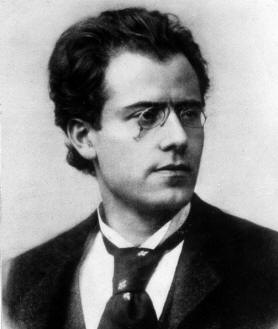
Gustav Mahler — Kalischt/Bohemia, 1860-1911, composer
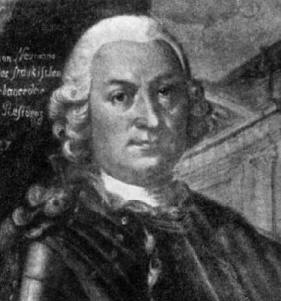
Johann Balthasar Neumann — Eger, 1687-1753, architect
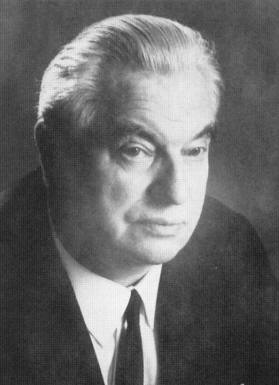
Wilhelm Pleyer — Eisenhamm/Egerl., 1901-1974, writer
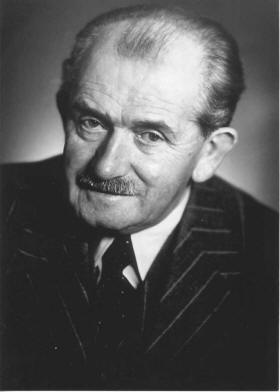
Ferdinand Porsche — Maffersdorf/Bohemia, 1875-1951, inventor
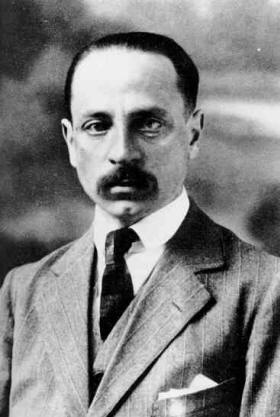
Rainer Maria Rilke — Prague, 1875-1926, poet
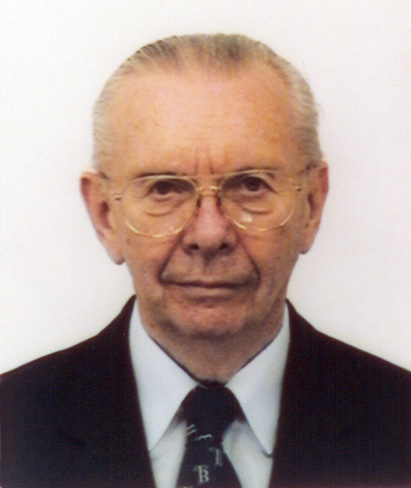
Herwig Schopper — Landskron, 1924-, nuclear physicist
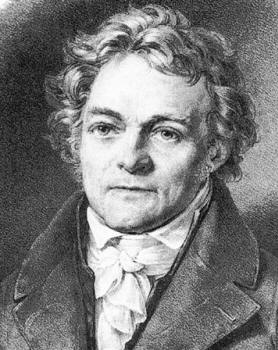
Alois Senefelder — Prague, 1771-1843, inventor of lithography
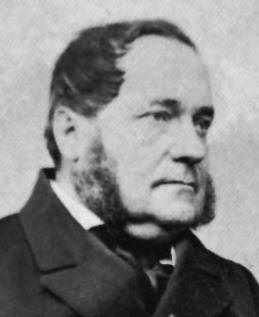
Adalbert Stifter — Oberplan, 1805-1868, poet, painter, pedagogue
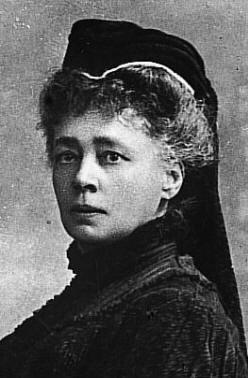
Baroness Bertha von Suttner — Prague, 1843–1914, writer and Nobel Peace Prize laureate
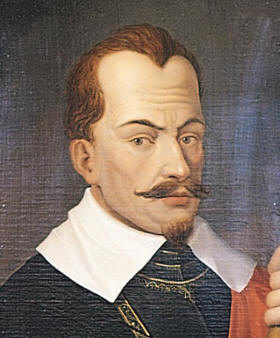
Albrecht von Wallenstein — Hermanitz, 1583-1634, generalissimo
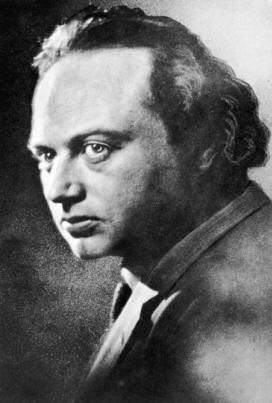
Franz Werfel — Prague, 1890-1945, writer