The women
Without complaint, many endured endless marches on foot, carrying small children in their arms and their remaining possessions in a backpack or suitcase until exhaustion set in.
Often they were forced to leave behind parents or grandparents who no longer had the strength to continue.
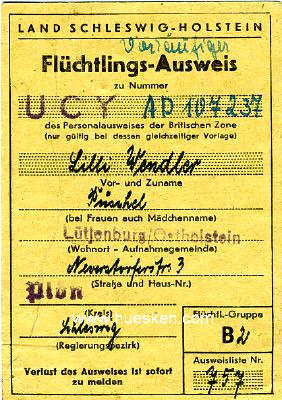
Refugee card
They endured long journeys in freezing cattle wagons alongside the sick, the severely injured and the dying.
Hungry and thirsty themselves, they gave their last scraps of food to their children.
They lived in constant fear of bombs, artillery fire and violent assault.
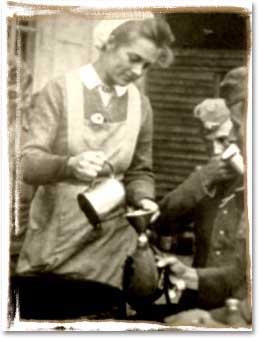
Red Cross nurses and hospital auxiliaries also carried a particularly heavy physical and emotional burden. They cared for the seriously wounded in dangerous conditions, often at risk to their own lives, and comforted the dying in their final hours. Treating men with devastating wounds, severe burns and mutilations pushed many to the limits of endurance. For countless patients they were the last source of comfort and hope. Some of those who remained at the bedside until the end later became victims of rape, murder or abduction themselves.
2,000,000 dead
They spent endless days and nights in the cellars and bunkers, in constant fear of bomb attack that could take their lives or all their belongings.
Alongside the loss of home and property, they also endured humiliation while fleeing.
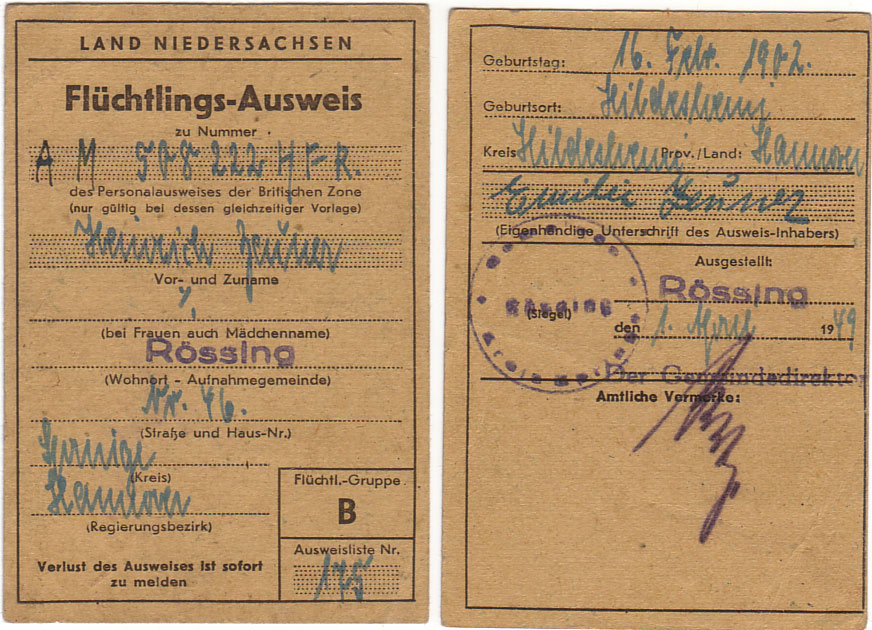
Refugee card
They lived with the constant fear that husbands, fathers or brothers at the front had been killed, captured or would remain missing forever.
Many carried the psychological trauma of violence and rape for the rest of their lives.
Often they received little understanding from their children or wider society and were sometimes blamed for their own misfortune. Many had to struggle alone with recurring nightmares.
No statistics can fully capture the scale of rape, brutality and lasting injury.
The mothers
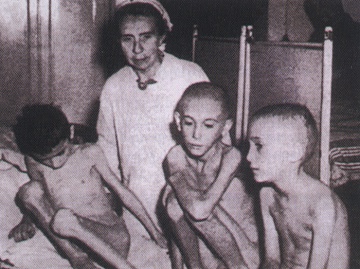
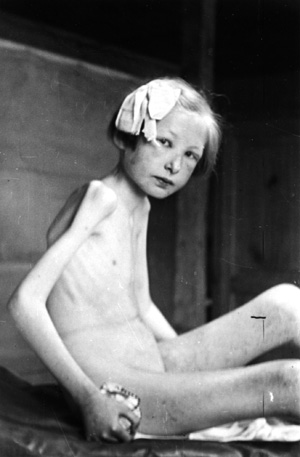
For many mothers, watching their children suffer and die was even worse than their own pain.
Some endured the unspeakable trauma of seeing their young daughters raped.
Malnutrition caused some mothers’ milk to dry up, leaving infants to starve at the breast.
Some mothers watched helplessly as their infants froze to death in frozen clothing and nappies.
Hundreds of thousands of mothers endured the loss of children who were burned in air raids, torn apart by explosions or buried alive beneath rubble.
Many lived on knowing that their children had been separated from them or had disappeared, and that they might never hold them again.
At the end of the war in 1945, the German Red Cross had 300,000 missing children on record, while 33,000 children were searching for their parents.
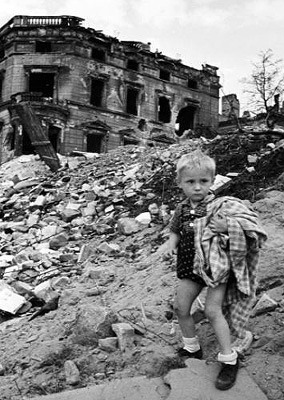
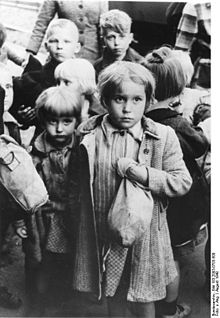
The children
Thousands of children lived with the deep fear of being separated from their parents.
Many orphans, the so-called “wolf children”, survived in frightened groups in the forests, especially in East Prussia, and feared returning to areas controlled by occupation troops.
Hundreds of thousands lost their parents and spent their childhood and youth in foster homes. Others were taken eastwards and grew up among strangers.
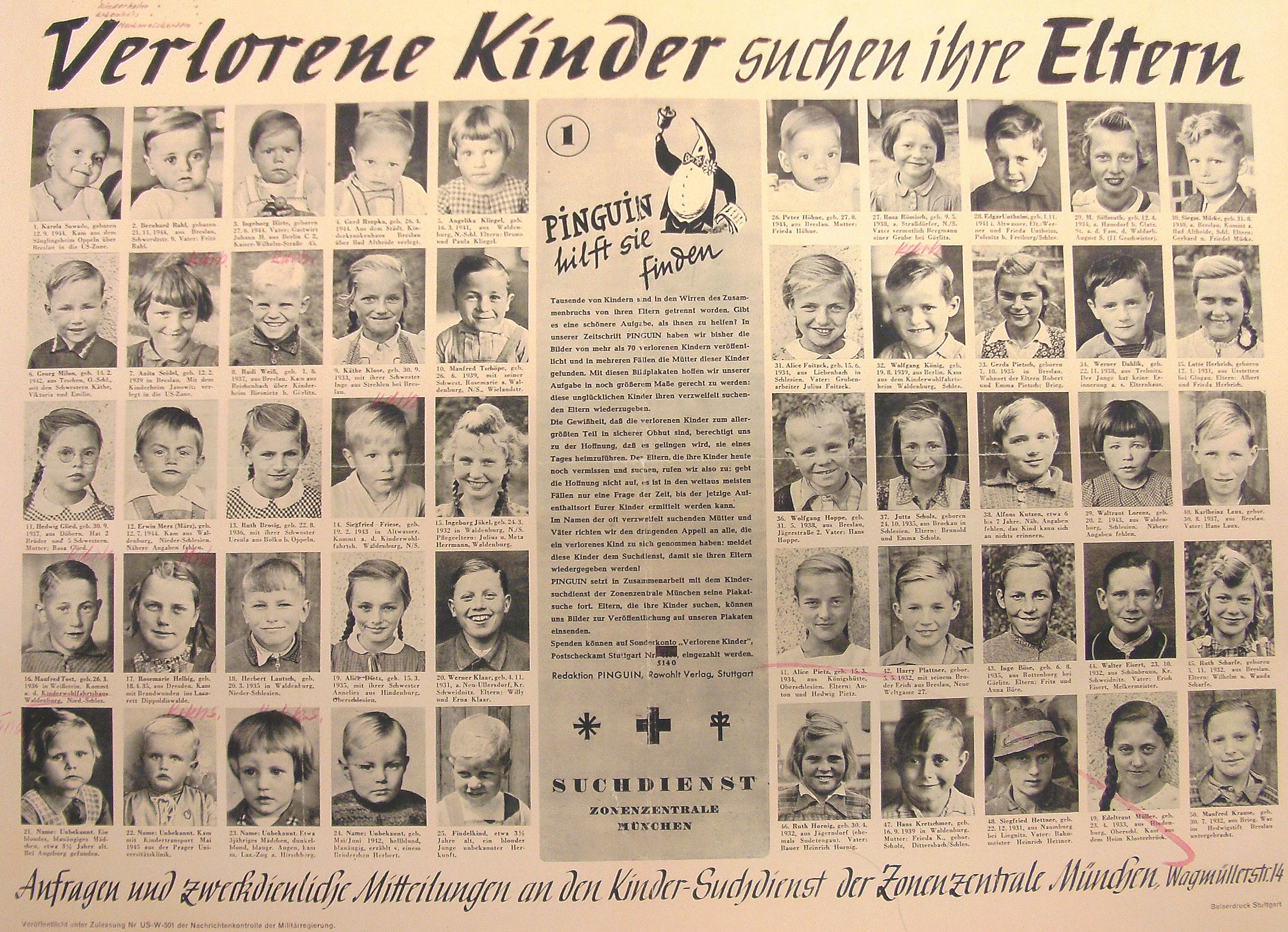
Lost children looking for their parents
Countless children witnessed the deaths of parents, siblings or grandparents while fleeing, during expulsions or in air raids.
Many young girls, some not yet physically mature, were subjected to brutal sexual violence, in some cases by groups of perpetrators.
Thousands suffered serious injuries in air raids — including blindness, deafness and the loss of limbs — with consequences that lasted for the rest of their lives.
Many also suffered lasting psychological trauma after seeing countless dead and mutilated bodies in the aftermath of air raids, images that continued to haunt their dreams.
Starving German children